
Juanita Carter
LICSW, LCSWLouisiana · 22 yrs exp
Practical, strength-based support for life challenges
Stress, Anxiety · Addictions · Grief · Anger · +7 more
Read profileTherapist listings are provided by BetterHelp. We earn a commission at no additional cost to you if you use our links to purchase.
Compare profiles of clinicians in Louisiana who list self-esteem among their specialties, including focus areas, credentials, languages, and therapeutic approaches. Browse individual listings to learn more and confirm that a clinician is permitted to work with you in your location before reaching out.
Louisiana · 22 yrs exp
Practical, strength-based support for life challenges
Stress, Anxiety · Addictions · Grief · Anger · +7 more
Read profile
Louisiana · 15 yrs exp
Compassionate care for life transitions
Relationship · Family · Grief · Self esteem · +7 more
Read profile
Louisiana · 18 yrs exp
Compassionate counselor focused on practical progress
Stress, Anxiety · Anger · Self esteem · Depression · +12 more
Read profile
Louisiana · 10 yrs exp
Therapist focused on practical change
Stress, Anxiety · Trauma and abuse · Parenting · Self esteem · +9 more
Read profile
Louisiana · 10 yrs exp
Collaborative, bilingual LCSW focused on practical skills
Stress, Anxiety · Relationship · Intimacy-related issues · Self esteem · +11 more
Read profile
Louisiana · 9 yrs exp
Restorative care for low self esteem
Stress, Anxiety · Relationship · Family · Anger · +11 more
Read profile
Louisiana · 10 yrs exp
Compassionate, practical care for self-worth and change
Stress, Anxiety · Relationship · Trauma and abuse · Grief · +16 more
Read profile
Louisiana · 12 yrs exp
Career and confidence focused counselor
Stress, Anxiety · Self esteem · Career · Coping with life changes · +4 more
Read profile
Louisiana · 7 yrs exp
Attachment-focused counselor for relationship health
Stress, Anxiety · Relationship · Family · Trauma and abuse · +13 more
Read profile
Louisiana · 17 yrs exp
Practical, steady support for self-esteem and stress
Stress, Anxiety · Relationship · Family · Self esteem · +14 more
Read profile
Louisiana · 19 yrs exp
Encouraging counselor focused on practical change
Stress, Anxiety · LGBT · Relationship · Trauma and abuse · +11 more
Read profile
Louisiana · 30 yrs exp
Compassionate counselor helping rebuild confidence
Stress, Anxiety · Relationship · Grief · Eating · +9 more
Read profile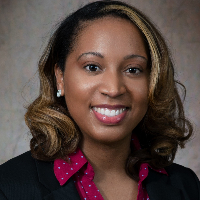
Louisiana · 10 yrs exp
Compassionate LCSW guiding steady, practical change
Stress, Anxiety · Self esteem · Career · Bipolar · +7 more
Read profile
Louisiana · 30 yrs exp
Compassionate, practical therapy for real life
Stress, Anxiety · Relationship · Family · Grief · +5 more
Read profile
Louisiana · 18 yrs exp
Compassionate counselor focused on practical change
Stress, Anxiety · Trauma and abuse · Self esteem · Bipolar · +12 more
Read profile
Louisiana · 23 yrs exp
Compassionate, practical counseling for daily life
Addictions · Self esteem · Depression · Stress, Anxiety · +12 more
Read profile
Louisiana · 25 yrs exp
Compassionate counselor who builds practical self-worth
Addictions · Relationship · Trauma and abuse · Anger · +6 more
Read profile
Louisiana · 11 yrs exp
Practical, value-focused therapy for emotional growth
Stress, Anxiety · Trauma and abuse · Grief · Bipolar · +12 more
Read profile
Louisiana · 19 yrs exp
Compassionate, experienced counselor for relationship struggles
Addictions · Relationship · Family · Intimacy-related issues · +9 more
Read profile
Louisiana · 4 yrs exp
Compassionate, practical support for stronger self esteem
Family · Parenting · Self esteem · Career · +11 more
Read profile
Louisiana · 6 yrs exp
Building confidence and coping skills
Stress, Anxiety · Relationship · Trauma and abuse · Self esteem · +1 more
Read profileWhen self-esteem is on your mind you may notice recurring patterns of self-criticism, frequent comparison with others, questions about identity, or a felt mismatch between your values and your choices. These experiences can appear in many parts of life - at work, in friendships, in relationships, or when you are making major decisions. You are not looking for a diagnostic label; you are looking for a way to understand how these patterns affect your day-to-day life, how they developed, and what might help you move forward in ways that feel aligned with your priorities.
In seeking help you may want to explore how self-talk and internal standards contribute to self-criticism, how social comparison is amplified by social settings or online environments, and how confidence relates to a sense of competence and belonging. Identity questions often involve trying to reconcile past experiences with present values. A discussion with a clinician can help you identify concrete situations where low self-regard shows up, the emotions and bodily reactions that accompany it, and the behaviors you use to cope. That understanding is a practical first step toward choosing a provider whose focus and style match what you want to work on.
Profiles on this site are grouped under Louisiana because the clinician listed that location, but that listing alone does not guarantee an office, ongoing practice address, or permission to work with you where you live. You should check each individual profile for details about where a clinician practices, and you should verify licensing information directly when that matters to your decision. Licensing rules vary by state, and clinicians may be authorized to work in some places and not in others depending on licensure and practice arrangements.
Credentials on a profile usually indicate licensure level or academic background but do not prove expertise in any particular concern. When you review a profile, note the stated license type and the scope that the clinician lists. Then confirm with the clinician or the relevant licensing board if you need more assurance about their legal standing in Louisiana or in another state where you might be located. This step helps you understand whether the clinician is legally able to engage with you in the setting you prefer, whether that is an office visit or a remote session across state lines.
Before choosing a clinician you may want to prepare a few concrete questions that get at how they work and what they have focused on. Ask about the kinds of problems they typically see when people seek help for low self-worth or excessive self-criticism. Ask how they think about goals in this area - for example, whether they prioritize skill-building for managing critical self-talk, exploring underlying life stories that shaped self-view, or clarifying personal values and decision-making. You can also ask about how they measure progress in ways that matter to you.
When clinicians list approaches such as cognitive-behavioral strategies, mindfulness, psychodynamic perspectives, or when they list EMDR among their approaches, treat those as conversation starters rather than guarantees. Ask for examples of how a particular approach might be used with someone whose main concern is self-esteem. Some clinicians focus on practical exercises and skill development, while others emphasize reflective work on identity and life narrative. Ask how they adapt their approach to different ages, cultural backgrounds, or relationship contexts, and whether they are experienced in working with issues you specifically want to address. If your needs include work with children, couples, or families, confirm directly whether that clinician treats those populations because a listed topic does not establish scope of practice.
If you are considering remote sessions you should raise practical and clinical questions in advance. Clarify whether the clinician is permitted to offer care across state lines and whether they are willing to work with someone located in Louisiana. Ask about the technology they use and what to expect in terms of session flow, communication between meetings, and any documentation they provide. It is reasonable to discuss how they approach the first few sessions - whether they will prioritize assessment, goal-setting, or immediate coping strategies - so you can decide if their approach matches what you want to work on.
Also discuss preferences that matter to you, such as session pacing, the balance between structured exercises and open discussion, and how cultural identity, background, or life experience will be taken into account. If you have practical constraints - for example, time windows that work for you or accessibility needs - bring those up early. Talking about these realities before beginning care helps you and the clinician determine whether the working relationship is a good fit and whether adjustments are needed to make sessions productive for you.
When you compare profiles, pay attention to the language clinicians use to describe their focus areas and how that aligns with your concerns. Some clinicians emphasize managing negative self-talk and developing confidence in specific skills, while others highlight identity work, values clarification, or healing from past relational wounds. Read descriptions to see whether the emphasis is more on practical strategies, reflective exploration, or some combination of both. That distinction can shape what you experience in sessions and how you spend your time working toward your goals.
Languages spoken and cultural competency can matter a great deal when you are discussing personal values and identity. If you prefer to work in a particular language or want a clinician who understands certain cultural contexts, look for that information on profiles and bring it up when you contact the clinician. Credentials and licensure type are important pieces of information for understanding training and practice scope, but they do not tell the whole story about therapeutic style. To learn about style, read clinician statements, watch for any sample videos or interviews they provide, and ask how they typically interact with clients in session. A clinician's style might be direct and skills-oriented, gentle and exploratory, or pragmatic and coaching-oriented; choose the style that helps you engage most effectively.
Finally, remember that a listing on this site indicates that a clinician includes self-esteem among the topics they work with, but it does not prove suitability for every reader. Take the time to confirm credentials, ask specific questions about working with your concerns, and verify permission to work with you where you live. A brief conversation or initial consultation can help you get a sense of whether a clinician's focus, approach, and style align with what you hope to address.
Attachment Issues
1781 therapists
Codependency
1563 therapists
Communication Problems
2961 therapists
Coping with Life Changes
3303 therapists
Divorce
1737 therapists
Family
2614 therapists
Family of Origin Issues
1347 therapists
Forgiveness
2292 therapists
Jealousy
952 therapists
Life Purpose
2749 therapists
Relationship
3199 therapists