- Empathic listening
- Practical steps
- Flexible scheduling
About Curtis
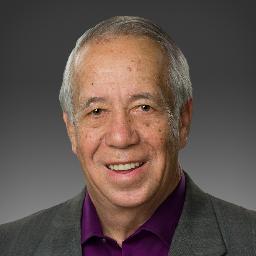
Curtis Spears is a licensed mental health counselor (LMHC) and licensed professional counselor (LPC) with 17 years of clinical experience. He helps people cope with stress, anxiety, low self-esteem, depression, addictions, grief, relationship struggles, parenting strain, and other life stresses. He works from an accepting, nonjudgmental stance and aims to make the first steps toward help feel straightforward and manageable.
He has worked across many settings, including a hospital psychiatric unit, a pediatric clinic, and as an employee assistance program counselor in a large hospital and city system. Those roles involved meeting a wide range of needs and taught him to listen across cultures and life stages. He also spent time as an adjunct professor at Louisiana State University, Shreveport.
In practice he focuses on clear, practical conversation. He uses approaches that include Acceptance and Commitment Therapy, Cognitive Behavioral Therapy, Emotionally-Focused Therapy, Client-Centered Therapy, and Solution-Focused Therapy. Sessions tend to emphasize identifying next steps, building skills for daily life, and addressing patterns that sap confidence or increase stress.
Curtis notes he currently sees clients from Louisiana and other states where he is licensed, and he also serves some overseas clients. He aims to be flexible with scheduling and is generally available six days a week; some hours can be added by request. He asks people to check session times carefully because his availability can vary by time zone.
Outside of work he enjoys sailing, backpacking, snow skiing, and cooking apple pies. He describes family life with his wife, six children, 14 grandchildren, and two great-grandchildren as a steady source of grounding that informs his calm, encouraging approach.
He has worked across many settings, including a hospital psychiatric unit, a pediatric clinic, and as an employee assistance program counselor in a large hospital and city system. Those roles involved meeting a wide range of needs and taught him to listen across cultures and life stages. He also spent time as an adjunct professor at Louisiana State University, Shreveport.
In practice he focuses on clear, practical conversation. He uses approaches that include Acceptance and Commitment Therapy, Cognitive Behavioral Therapy, Emotionally-Focused Therapy, Client-Centered Therapy, and Solution-Focused Therapy. Sessions tend to emphasize identifying next steps, building skills for daily life, and addressing patterns that sap confidence or increase stress.
Curtis notes he currently sees clients from Louisiana and other states where he is licensed, and he also serves some overseas clients. He aims to be flexible with scheduling and is generally available six days a week; some hours can be added by request. He asks people to check session times carefully because his availability can vary by time zone.
Outside of work he enjoys sailing, backpacking, snow skiing, and cooking apple pies. He describes family life with his wife, six children, 14 grandchildren, and two great-grandchildren as a steady source of grounding that informs his calm, encouraging approach.