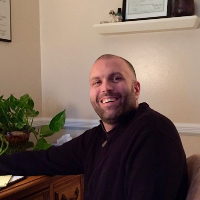
Michael Pfisterer
LCSWSouth Carolina · 14 yrs exp
Helping people build practical strengths
Stress, Anxiety · Parenting · Depression · Addictions · +14 more
Read profileTherapist listings are provided by BetterHelp. We earn a commission at no additional cost to you if you use our links to purchase.
Browse profiles of clinicians grouped under South Carolina to compare their focus areas, approaches, languages, credentials, and professional style. Use the listings to learn about possible matches and then review each profile closely before reaching out.
While many therapists here list self-esteem among their specialties, that listing does not prove specialist certification or scope of practice. Please check individual profiles and confirm permission to work with you where you live.
South Carolina · 14 yrs exp
Helping people build practical strengths
Stress, Anxiety · Parenting · Depression · Addictions · +14 more
Read profile
South Carolina · 27 yrs exp
Compassionate, practical support for self esteem
Stress, Anxiety · Grief · Parenting · Depression · +3 more
Read profile
South Carolina · 16 yrs exp
Warm, practical therapist for life changes
Stress, Anxiety · Relationship · Family · Parenting · +14 more
Read profile
South Carolina · 21 yrs exp
Practical support for stronger self-esteem and coping
Stress, Anxiety · Trauma and abuse · Self esteem · Depression · +12 more
Read profile
South Carolina · 20 yrs exp
Compassionate counseling for everyday struggles
Stress, Anxiety · Trauma and abuse · Anger · Self esteem · +10 more
Read profile
South Carolina · 21 yrs exp
Compassionate counselor focused on building self-worth
Stress, Anxiety · Trauma and abuse · Self esteem · Depression · +16 more
Read profile
South Carolina · 20 yrs exp
Experienced LCSW focused on confidence and calm
Stress, Anxiety · Relationship · Anger · Self esteem · +9 more
Read profile
South Carolina · 10 yrs exp
Confident, practical support for everyday challenges
Stress, Anxiety · Relationship · Self esteem · Career · +8 more
Read profile
South Carolina · 22 yrs exp
Gentle, practical therapy for everyday life
Stress, Anxiety · Addictions · Trauma and abuse · Grief · +10 more
Read profile
South Carolina · 9 yrs exp
Compassionate counselor focused on practical change
Stress, Anxiety · Addictions · Relationship · Grief · +11 more
Read profile
South Carolina · 15 yrs exp
Compassionate counselor focused on practical change
Stress, Anxiety · Self esteem · Career · Depression · +11 more
Read profile
South Carolina · 8 yrs exp
Practical support for people feeling overwhelmed
Stress, Anxiety · Addictions · Relationship · Depression · +11 more
Read profile
South Carolina · 20 yrs exp
Compassionate counselor who focuses on practical change
Stress, Anxiety · Trauma and abuse · Self esteem · Depression · +16 more
Read profile
South Carolina · 12 yrs exp
Compassionate, goal-focused support for everyday struggles
Stress, Anxiety · Relationship · Family · Parenting · +10 more
Read profile
South Carolina · 8 yrs exp
Compassionate counselor focused on practical growth
Stress, Anxiety · Trauma and abuse · Self esteem · Coping with life changes · +11 more
Read profile
South Carolina · 5 yrs exp
Calm, practical support for rebuilding confidence
Stress, Anxiety · Addictions · Self esteem · Coping with life changes · +12 more
Read profile
South Carolina · 9 yrs exp
Compassionate counselor focused on practical change
Stress, Anxiety · Addictions · Trauma and abuse · Self esteem · +14 more
Read profile
South Carolina · 9 yrs exp
Compassionate support for stress and self esteem
Stress, Anxiety · Trauma and abuse · Anger · Self esteem · +7 more
Read profile
South Carolina · 6 yrs exp
Compassionate support for building confidence
Stress, Anxiety · Parenting · Self esteem · Depression · +1 more
Read profile
South Carolina · 7 yrs exp
Therapist focused on building confidence and motivation
Addictions · Intimacy-related issues · Anger · Self esteem · +1 more
Read profile
South Carolina · 36 yrs exp
Practical, goal-focused therapy for everyday life
Stress, Anxiety · Addictions · Relationship · Self esteem · +16 more
Read profile
South Carolina · 19 yrs exp
Practical, strengths-focused therapy for everyday challenges
Stress, Anxiety · Relationship · Parenting · Self esteem · +1 more
Read profile
South Carolina · 5 yrs exp
Practical support to build stronger self-esteem
Stress, Anxiety · LGBT · Trauma and abuse · Depression · +13 more
Read profileWhen self-esteem feels fragile you may notice harsh self-criticism, a tendency to compare yourself with others, or difficulty standing by your values. Those experiences can show up as repeated doubt about decisions, reluctance to take on new challenges, or confusion about who you are in changing roles. You do not need a diagnostic label to seek help for these patterns. Many people look for a clinician to explore how past experiences, cultural messages, and present stressors shape the way they see themselves.
In practice, conversations about self-worth often touch on confidence, identity, and personal values. You might be working through a life transition, responding to workplace pressures, navigating relationships, or wrestling with internalized messages from family, school, or social media. Therapy conversations can focus on understanding the origins of self-critical patterns, trying different ways of responding to negative self-talk, and identifying priorities that reflect what matters to you. Keep in mind that listing self-esteem as a specialty on a profile is a signal that a clinician is interested in this area, not proof of a particular credential or outcome.
Profiles grouped under South Carolina reflect the location data recorded for each clinician, but that grouping does not guarantee an in-person office within the state or an active license there. Some clinicians list multiple locations, and some provide remote services subject to rules about where they may legally practice. You should review each profile for details about licensure, degree, and the states where the clinician is permitted to work. When a license is shown, take it as part of the snapshot of a clinician's background rather than as a complete statement of scope. Verifying licensure through the appropriate state board is a sensible step if that matters to you.
Credentials listed on profiles, such as LPC, LCSW, PsyD, or PhD, indicate professional routes and training paths but do not by themselves tell you how a clinician works with self-esteem concerns. Equally important are the kinds of populations they mention, such as adults, adolescents, or older adults, and any notes about the issues they commonly address. If you need care tailored to a family context, children, or couples, discuss those needs directly with the clinician because a listed topic does not establish that they treat those populations.
When you contact a clinician, it helps to have specific questions that reveal how they might work with you. You can ask how they typically approach self-criticism and comparison, whether they emphasize exploring life history, working on present-day skills, or combining both. If a clinician lists particular approaches on their profile, ask what that looks like in session and how they decide which strategies to use. For example, you might say something like, 'I see you list EMDR among your approaches; can you describe how that may be used with self-esteem work and what considerations you have for clients who are exploring identity issues?'
Ask about their experience with concerns similar to yours, such as identity exploration, navigating cultural expectations, or rebuilding confidence after setbacks. Request examples of typical topics they might focus on early in the work and how they measure progress collaboratively with clients. Also inquire about their communication style - whether they tend to be more directive, offer concrete exercises between appointments, or favor an exploratory reflective stance - because fit often matters more than any single credential.
If you are considering remote sessions, make sure to cover practical and ethical elements up front. Ask where the clinician is licensed to practice and whether they have permission to work with clients in your state. Clarify how appointments are conducted - the platform used, any required consent forms, and what privacy safeguards are in place for electronic communication. It is also reasonable to ask about procedures for urgent concerns and what you should do in a crisis, including local emergency contacts and how the clinician coordinates care when necessary.
Discuss expectations about session length and frequency, how cancellations are handled, and how you will exchange messages between meetings before starting care. If you need language accommodations, cultural sensitivity, or experience with specific identity-related issues, bring those topics into the conversation so you can assess whether the clinician's experience aligns with your needs. Finally, ask how the clinician will determine whether an in-person referral or additional services would be appropriate, particularly if your circumstances change.
Comparing profiles starts with the areas of focus you care about. Read the descriptions where clinicians explain what they work on and how they describe their typical clients. Look for language that resonates with your situation - mentions of identity work, value clarification, social comparison, or building self-compassion can signal relevant focus areas. Keep in mind that a listed specialty is not proof of certification; it indicates interest and reported experience.
Languages and cultural competence are practical filters that affect communication and comfort. If speaking in a particular language matters to you, check profiles for language listings and for statements about serving specific communities. When considering credentials, note the professional designation and training path but prioritize the clinician's described experience with self-esteem issues and the populations they work with. Pay attention to how a clinician talks about goals and measurement - a clinician who describes collaborating on goals and tracking progress in ways that match your preferences may be a stronger fit than one whose credentials look impressive but whose approach feels mismatched.
Style and interpersonal fit are often decisive. Some clinicians emphasize skills, homework, and structured practice, while others focus on exploration and making sense of life stories. You may prefer a more active approach or one that gives space for reflection. Use initial conversations to get a sense of tone, curiosity, and how the clinician responds to your key concerns. Confirm details about licensure and permission to work where you live before committing to ongoing work. Ultimately you are choosing someone to help you explore and change patterns around self-worth, so prioritizing transparency about scope, approach, and professional standing will help you make an informed choice.
Attachment Issues
1781 therapists
Codependency
1563 therapists
Communication Problems
2961 therapists
Coping with Life Changes
3303 therapists
Divorce
1737 therapists
Family
2614 therapists
Family of Origin Issues
1347 therapists
Forgiveness
2292 therapists
Jealousy
952 therapists
Life Purpose
2749 therapists
Relationship
3199 therapists