
Dr. Shelia Williamson Collins
LPC, LCPCNorth Carolina · 18 yrs exp
Experienced counselor focused on listening and practical change
Stress, Anxiety · Addictions · Trauma and abuse · Anger · +13 more
Read profileTherapist listings are provided by BetterHelp. We earn a commission at no additional cost to you if you use our links to purchase.
Browse North Carolina therapist profiles that list self-esteem as a specialty. Compare professional credentials, languages, focus areas and therapeutic approaches noted on each profile. Click a profile to read more and confirm the clinician's license and permission to work with clients where they live.
North Carolina · 18 yrs exp
Experienced counselor focused on listening and practical change
Stress, Anxiety · Addictions · Trauma and abuse · Anger · +13 more
Read profile
North Carolina · 14 yrs exp
Experienced LCSW focusing on practical healing
Stress, Anxiety · Relationship · Family · Trauma and abuse · +9 more
Read profile
North Carolina · 20 yrs exp
Empowering, practical counseling for everyday life
Stress, Anxiety · Anger · Self esteem · Bipolar · +9 more
Read profile
North Carolina · 16 yrs exp
Compassionate counselor for self worth and relationships
Stress, Anxiety · Relationship · Self esteem · Depression · +8 more
Read profile
North Carolina · 27 yrs exp
Relationship and self esteem focused therapist
Stress, Anxiety · Relationship · Grief · Self esteem · +7 more
Read profile
North Carolina · 20 yrs exp
Compassionate counselor focused on practical change
Stress, Anxiety · Addictions · Family · Parenting · +11 more
Read profile
North Carolina · 13 yrs exp
Practical support for stress and self worth
Stress, Anxiety · Relationship · Anger · Bipolar · +13 more
Read profile
North Carolina · 15 yrs exp
Calm, practical therapy for self-worth and stress
Stress, Anxiety · Trauma and abuse · Grief · Self esteem · +11 more
Read profile
North Carolina · 14 yrs exp
Client-centered counselor focused on practical change
Stress, Anxiety · Addictions · Relationship · Family · +15 more
Read profile
North Carolina · 15 yrs exp
Practical therapy for self-esteem and life stressors
Stress, Anxiety · Self esteem · Bipolar · Depression · +14 more
Read profile
North Carolina · 14 yrs exp
Helping people build confidence and calm
Stress, Anxiety · Family · Trauma and abuse · Depression · +16 more
Read profile
North Carolina · 16 yrs exp
Compassionate therapist who listens and guides
Stress, Anxiety · Relationship · Family · Parenting · +8 more
Read profile
North Carolina · 14 yrs exp
Understanding therapist for relationships and self worth
Stress, Anxiety · LGBT · Relationship · Family · +14 more
Read profile
North Carolina · 18 yrs exp
Calm, practical support for lasting change
Stress, Anxiety · Relationship · Grief · Depression · +11 more
Read profile
North Carolina · 6 yrs exp
Warm, practical therapy for everyday challenges
Stress, Anxiety · Relationship · Family · Parenting · +10 more
Read profile
North Carolina · 10 yrs exp
Compassionate, faith-aware counselor focused on growth
Stress, Anxiety · Addictions · Grief · Self esteem · +8 more
Read profile
North Carolina · 12 yrs exp
Compassionate LCSW focused on practical growth
Stress, Anxiety · Family · Trauma and abuse · Parenting · +11 more
Read profile
North Carolina · 5 yrs exp
Practical, client-centered therapy for everyday struggles
Stress, Anxiety · Addictions · Grief · Depression · +7 more
Read profile
North Carolina · 4 yrs exp
Practical help for greater self-worth
Stress, Anxiety · Grief · Self esteem · Depression · +15 more
Read profile
North Carolina · 7 yrs exp
Practical support for stress and self-esteem
Stress, Anxiety · Relationship · Self esteem · Depression · +4 more
Read profile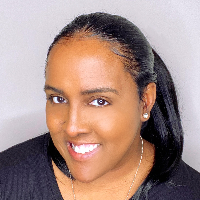
North Carolina · 20 yrs exp
Compassionate clinician focused on practical growth
Stress, Anxiety · Addictions · Family · Career · +16 more
Read profile
North Carolina · 10 yrs exp
Experienced LCSW focused on steady support
Stress, Anxiety · LGBT · Trauma and abuse · Self esteem · +12 more
Read profile
North Carolina · 15 yrs exp
Compassionate therapist for life transitions
Relationship · Trauma and abuse · Grief · Parenting · +9 more
Read profile
North Carolina · 10 yrs exp
Practical support for stronger self esteem and coping
Stress, Anxiety · Relationship · Trauma and abuse · Depression · +11 more
Read profileWhen self-esteem is a concern, it often shows up as persistent self-criticism, frequent comparison with others, doubts about your abilities, or uncertainty about identity and personal values. You might notice patterns such as harsh internal voices that undermine decisions, difficulty accepting compliments, or repeated avoidance of situations that matter to you because of fear you will fall short. These experiences are common and vary widely in how they affect daily life, relationships and work.
As you explore therapist profiles, keep in mind that self-esteem itself is a feature people work on rather than a medical diagnosis. Different clinicians focus on different aspects of self-esteem work. Some describe helping people reduce self-criticism and build a kinder inner dialogue, while others highlight identity exploration or aligning choices with personal values. Pay attention to the language used on profiles to determine whether the focus seems more skills-based, reflective, or values-oriented, and think about which tone feels most approachable for you.
It can help to set a short list of the concerns you want to address before you reach out to a clinician. Clear goals will make it easier to compare profiles and to ask targeted questions about a clinician's experience and approach. Remember that profiles are starting points; a conversation with a clinician can clarify whether their way of working fits your needs.
Location entries on a directory page indicate where a profile has been recorded, but they do not prove that a clinician has an office at that address or that they can legally work with every resident of that place. You should check each individual profile for details about licensure, practice locations and the methods of contact the clinician lists. Licensing is a key credential to confirm because regulation of mental health professionals varies by state. Look for language on profiles that references state licensure, and if it is not explicit, ask the clinician directly whether they hold a license in North Carolina or are authorized to offer care to someone in your jurisdiction.
Professional credentials such as titles and degrees give you information about training and the typical scope of practice, but they do not guarantee a particular clinical focus. A listed specialty of self-esteem means the clinician has chosen to note that area on their profile; it does not attest to certification in a named technique or to outcomes. If licensure, scope of practice or the clinician's official workplace are important to you, confirm those points before beginning any work together.
Also be mindful that a profile may list languages spoken or populations a clinician has experience with. Those items can be helpful when you want to communicate in a particular language or seek someone who understands specific cultural or life contexts. Verify language fluency and relevant experience in conversation so you have an accurate sense of how the clinician can meet your needs.
When you contact a clinician, asking specific questions helps you compare how therapists talk about self-esteem and whether their approach matches your needs. You can ask how they describe the role of self-criticism and comparison in their work, and whether they often help clients explore identity or personal values as part of building self-regard. It is useful to ask what kinds of issues they typically address alongside self-esteem, for example life transitions, body image concerns, social anxiety, or work-related confidence, because that tells you how they think about interconnected challenges.
Ask clinicians to describe the kinds of tools or perspectives they draw on in plain language. You may encounter therapists who list CBT, EMDR, psychodynamic, humanistic or mindfulness-based approaches among their approaches; that naming reflects the frameworks they reference on a profile rather than evidence of specific credentials in a technique. A clear explanation of how a therapist uses a given approach will help you imagine the practical steps you might take together. Also ask about the populations they commonly work with and whether they have experience with issues similar to yours. If working with children, couples or families is relevant to your situation, confirm directly whether the clinician includes those populations in their practice, because a listed topic does not guarantee they treat every client type.
Finally, inquire about professional boundaries and communication preferences. Concrete questions such as how they typically structure an initial conversation, how you would contact them between meetings, and what to expect when you need to reschedule will give you a clearer sense of day-to-day logistics and fit.
If you are considering remote care, there are some practical and legal issues worth discussing before beginning. First, confirm whether the clinician has permission to work with clients who live in North Carolina, since state rules influence whether a clinician can provide remote services across state lines. Ask the clinician to explain how they determine jurisdictional permission and where you can verify that information.
Talk about privacy protections and how client information is handled in online interactions. Ask what platforms or tools they use to conduct remote sessions and what steps they take to protect recordings or written communication. You can also ask about contingency plans for technical interruptions, how emergencies are managed when you are not in the same location, and what local resources or crisis contacts they recommend if urgent help becomes necessary. These are practical safety and planning concerns rather than promises of outcome, and knowing the answers will help you decide if the remote arrangement feels workable.
It is also reasonable to discuss logistics such as time zones, cancellation policies, session frequency and how progress is reviewed. Clarify how the clinician documents consent for remote work and what steps they take to verify identity and location at the start of care. These conversations are part of establishing a clear and mutual understanding before you begin.
Comparing profiles involves more than scanning specialties. Look for concrete language about focus areas such as self-criticism, comparison, confidence building, identity exploration or values work. A profile that explains how a clinician frames a self-esteem concern - for example, whether they emphasize reshaping thought patterns, exploring root experiences, or strengthening action aligned with values - will help you see distinctions between clinicians. Pay attention to the populations a clinician mentions and whether those match your situation, and remember to verify any implied scope directly.
Language and cultural competence can matter a great deal when you want to express sensitive feelings or discuss identity. If speaking in a particular language is important, prioritize profiles that list that language and then ask about the clinician's comfort level and relevant experience. Credentials and titles provide context about training pathways but do not by themselves describe therapeutic style. Read profile language for tone - some clinicians write in a reflective, exploratory voice while others use more pragmatic or skills-oriented phrasing. Consider which tone feels most likely to help you engage openly and persistently.
When you narrow your choices, prepare a short set of comparison prompts to use in initial conversations such as: How do you typically approach self-criticism? What kinds of outcomes are you likely to focus on in the first three months? Which populations do you regularly work with? How do you adapt your approach when a client's priorities shift? These focused prompts will help you move beyond generalities and make a more informed choice about who might be a good fit for the work you want to do.
Attachment Issues
1781 therapists
Codependency
1563 therapists
Communication Problems
2961 therapists
Coping with Life Changes
3303 therapists
Divorce
1737 therapists
Family
2614 therapists
Family of Origin Issues
1347 therapists
Forgiveness
2292 therapists
Jealousy
952 therapists
Life Purpose
2749 therapists
Relationship
3199 therapists