- Practical life skills
- Mindful coping tools
- Flexible online sessions
About Tracie
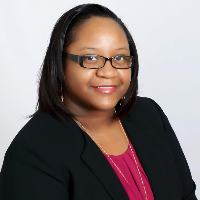
Tracie Stewart is a licensed counselor who focuses on helping people move past obstacles and build stronger self worth. She holds a Master of Science in Clinical Psychology and a second master’s in Health Psychology. Tracie uses straightforward, practical steps to help people feel more capable in daily life.
She has nine years of experience working with stress, anxiety, anger, depression, grief, relationship concerns, family issues, trauma, and self esteem. Tracie emphasizes whole-person wellbeing and helps people grow life skills that matter day to day. Sessions aim to be practical and goal-oriented while staying attentive to each person’s values.
Tracie draws on Cognitive Behavioral Therapy to identify unhelpful thoughts and change everyday habits that keep problems going. She also uses Dialectical Behavior Therapy skills to teach emotion regulation and distress tolerance. Mindfulness approaches are woven in to help people learn present-moment awareness and reduce reactivity.
In a typical session Tracie helps a person set small, doable steps toward change. She focuses on building skills people can use between sessions. She talks through patterns, practices new responses, and tracks progress together.
She works with each person to shape a plan that fits their schedule and goals.
She has nine years of experience working with stress, anxiety, anger, depression, grief, relationship concerns, family issues, trauma, and self esteem. Tracie emphasizes whole-person wellbeing and helps people grow life skills that matter day to day. Sessions aim to be practical and goal-oriented while staying attentive to each person’s values.
Tracie draws on Cognitive Behavioral Therapy to identify unhelpful thoughts and change everyday habits that keep problems going. She also uses Dialectical Behavior Therapy skills to teach emotion regulation and distress tolerance. Mindfulness approaches are woven in to help people learn present-moment awareness and reduce reactivity.
In a typical session Tracie helps a person set small, doable steps toward change. She focuses on building skills people can use between sessions. She talks through patterns, practices new responses, and tracks progress together.
She works with each person to shape a plan that fits their schedule and goals.