- Relationship support
- Self esteem help
- Practical strategies
About Tonya
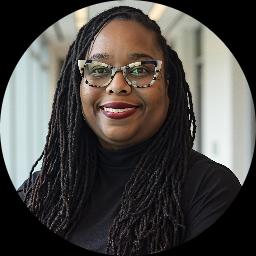
Tonya Wright-Hamilton is a Licensed Professional Counselor (LPC) and Licensed Clinical Mental Health Counselor (LCMHC) based in Texas. She brings seven years of clinical experience alongside more than 15 years in the corporate world. Tonya focuses on helping people with relationship concerns, self-esteem, career questions, stress, anxiety, and life changes. She uses a warm, direct, and interactive style to help clients find practical ways forward.
Tonya listens without judgment and treats people with respect and compassion. She avoids stigmatizing labels and centers the conversation on each person’s strengths and choices. Sessions are shaped around what the client wants to achieve and how they prefer to work.
Her approach blends client-centered listening, cognitive behavioral strategies, psychodynamic reflection, and solution-focused techniques. That combination is used to address issues like abandonment, communication problems, infidelity, family of origin concerns, and feelings of guilt or shame. She also supports people recovering from emotional or physical abuse and navigating immigration-related stress.
Tonya often helps clients clarify values, spot unhelpful patterns, and try small experiments that can change day-to-day life. She can discuss commitment or avoidance patterns and practical ways to build healthier boundaries. Her sessions aim to be straightforward and focused on what matters most to the client.
If someone is ready to take a step toward change, Tonya offers guidance and encouragement while tailoring the plan to fit individual needs and goals.
Tonya listens without judgment and treats people with respect and compassion. She avoids stigmatizing labels and centers the conversation on each person’s strengths and choices. Sessions are shaped around what the client wants to achieve and how they prefer to work.
Her approach blends client-centered listening, cognitive behavioral strategies, psychodynamic reflection, and solution-focused techniques. That combination is used to address issues like abandonment, communication problems, infidelity, family of origin concerns, and feelings of guilt or shame. She also supports people recovering from emotional or physical abuse and navigating immigration-related stress.
Tonya often helps clients clarify values, spot unhelpful patterns, and try small experiments that can change day-to-day life. She can discuss commitment or avoidance patterns and practical ways to build healthier boundaries. Her sessions aim to be straightforward and focused on what matters most to the client.
If someone is ready to take a step toward change, Tonya offers guidance and encouragement while tailoring the plan to fit individual needs and goals.