- Practical skill building
- Focus on co-occurring issues
- Research informed teaching
About Tina
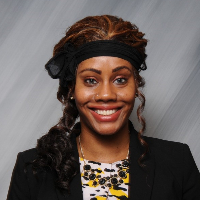
Dr. Tina Lott helps people who struggle with low self esteem and related challenges feel more grounded and capable. She offers straightforward support for issues like anxiety, depression, grief, relationship strain, addiction concerns, and problems with intimacy. Her approach aims to make change feel practical and manageable rather than overwhelming.
She is a Licensed Clinical Professional Counselor - LCPC - and a Licensed Mental Health Counselor - LMHC, and has worked in counseling for 11 years. Her background includes a bachelor’s in psychology with a minor in addiction, a master’s degree earned in 2011, and a doctorate in counselor education and supervision completed in 2018. Alongside clinical work, she teaches counseling at the graduate level and takes part in professional organizations.
In sessions she focuses on co-occurring concerns and the real-life effects of stigma around mental health and addiction. She helps people identify patterns like codependency, control issues, or abandonment fears, and then builds skills to change those patterns. Her work often centers on improving self-love, managing mood swings, and handling stressors that damage self esteem.
Her teaching and research work inform how she explains difficult ideas in clear terms. She prioritizes practical steps that can be used between sessions, such as behavior changes, communication strategies, and simple coping tools. That emphasis helps people move toward steadier mood and clearer self-regard over time.
Outside of practice she spends time with family and enjoys painting, travel, reading, and exercise. Those personal interests shape a collaborative and down-to-earth style in sessions.
She is a Licensed Clinical Professional Counselor - LCPC - and a Licensed Mental Health Counselor - LMHC, and has worked in counseling for 11 years. Her background includes a bachelor’s in psychology with a minor in addiction, a master’s degree earned in 2011, and a doctorate in counselor education and supervision completed in 2018. Alongside clinical work, she teaches counseling at the graduate level and takes part in professional organizations.
In sessions she focuses on co-occurring concerns and the real-life effects of stigma around mental health and addiction. She helps people identify patterns like codependency, control issues, or abandonment fears, and then builds skills to change those patterns. Her work often centers on improving self-love, managing mood swings, and handling stressors that damage self esteem.
Her teaching and research work inform how she explains difficult ideas in clear terms. She prioritizes practical steps that can be used between sessions, such as behavior changes, communication strategies, and simple coping tools. That emphasis helps people move toward steadier mood and clearer self-regard over time.
Outside of practice she spends time with family and enjoys painting, travel, reading, and exercise. Those personal interests shape a collaborative and down-to-earth style in sessions.