- Gentle and interactive
- Focus on self-esteem
- Practical skill-building
About Tiffany
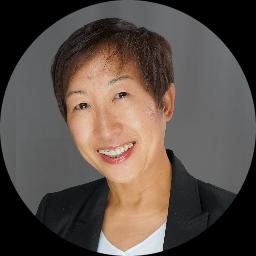
Tiffany Ung is a California-based licensed clinical social worker with 13 years of clinical experience. She brings a calm, warm presence to sessions and focuses on helping people build confidence and manage stress and anxiety.
She works with adults who are facing relationship tension, parenting challenges, grief, addiction concerns, ADHD, and life transitions. Tiffany emphasizes self-esteem and self-love as part of recovery and growth. She treats each person with respect and sensitivity while listening for the strengths they already have.
Tiffany’s style is laid-back and interactive. She treats clients as the experts of their own stories and helps them connect with what already works in their lives. Sessions often balance practical skills and personal reflection so people leave with concrete steps to try between meetings.
Her work integrates several approaches including Cognitive Behavioral Therapy and Motivational Interviewing alongside psychodynamic and client-centered ideas. This mix lets her address automatic thoughts, motivation, and the early patterns that shape current behavior.
People who prefer a supportive, nonjudgmental space find her approach useful. She aims to guide people toward clearer goals, better communication, and stronger self-regard while adapting methods to what each person needs.
She works with adults who are facing relationship tension, parenting challenges, grief, addiction concerns, ADHD, and life transitions. Tiffany emphasizes self-esteem and self-love as part of recovery and growth. She treats each person with respect and sensitivity while listening for the strengths they already have.
Tiffany’s style is laid-back and interactive. She treats clients as the experts of their own stories and helps them connect with what already works in their lives. Sessions often balance practical skills and personal reflection so people leave with concrete steps to try between meetings.
Her work integrates several approaches including Cognitive Behavioral Therapy and Motivational Interviewing alongside psychodynamic and client-centered ideas. This mix lets her address automatic thoughts, motivation, and the early patterns that shape current behavior.
People who prefer a supportive, nonjudgmental space find her approach useful. She aims to guide people toward clearer goals, better communication, and stronger self-regard while adapting methods to what each person needs.