- Client-centered approach
- Mind-body perspective
- Practical tools
About Tami
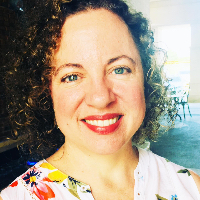
Tami Brugman is a Licensed Marriage and Family Therapist with 24 years of experience in mental health. She helps people facing stress, anxiety, depression, relationship and intimacy concerns, and struggles with self esteem. She also supports people coping with trauma, grief, ADHD, sleep and eating issues, and major life changes.
She works from a client-centered viewpoint and treats each person as an individual. Sessions focus on practical steps and clear goals, with tools chosen to fit the person’s situation. Tami believes in the connection between mind and body and brings that perspective into sessions.
Tami has worked in community mental health and independent practice. That variety has shaped a flexible style that adapts to everyday life challenges and more complex conditions. She is currently enrolled in a PhD program in Applied Psychophysiology at Saybrook University to deepen that mind-body focus.
Her approach mixes techniques and therapies to match what a person needs. Methods may include acceptance and commitment therapy, cognitive behavioral techniques, mindfulness, hypnotherapy, and solution-focused strategies. The aim is to offer useful tools rather than one fixed method.
She describes therapy as a partnership where she walks alongside people as they pursue goals. To begin, readers are invited to use the site’s continue button on this profile to complete a short matching questionnaire and schedule based on therapist availability.
She works from a client-centered viewpoint and treats each person as an individual. Sessions focus on practical steps and clear goals, with tools chosen to fit the person’s situation. Tami believes in the connection between mind and body and brings that perspective into sessions.
Tami has worked in community mental health and independent practice. That variety has shaped a flexible style that adapts to everyday life challenges and more complex conditions. She is currently enrolled in a PhD program in Applied Psychophysiology at Saybrook University to deepen that mind-body focus.
Her approach mixes techniques and therapies to match what a person needs. Methods may include acceptance and commitment therapy, cognitive behavioral techniques, mindfulness, hypnotherapy, and solution-focused strategies. The aim is to offer useful tools rather than one fixed method.
She describes therapy as a partnership where she walks alongside people as they pursue goals. To begin, readers are invited to use the site’s continue button on this profile to complete a short matching questionnaire and schedule based on therapist availability.