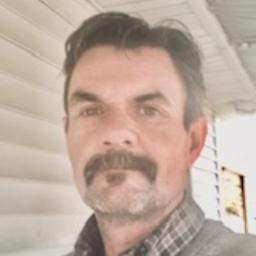
Stefan Bain is an LCSW practicing in Tennessee with thirty years of clinical experience. He focuses on sexual concerns and related stressors while helping people untangle issues that affect their intimate lives and self-view.
Stefan works primarily with men on sex-related problems such as performance concerns, infidelity, sexual compulsion, and pornography issues. He also addresses connected issues like anxiety, depression, anger, addiction, trauma, body image, and questions about sexual identity and fantasy.
In sessions he keeps the tone warm and interactive. Conversations are tailored to the person's situation and goals. Stefan aims to teach practical skills clients can continue using after therapy ends.
His way of working draws on cognitive behavioral ideas along with humanistic and psychodynamic perspectives. He blends different approaches to match each person's needs rather than relying on a single method.
People who come for help can expect direct, respectful conversation about sensitive topics. The emphasis is on making steady, usable change and helping clients reclaim confidence and clearer direction in their relationships and sexual life.
How his approaches translate to online work
Acceptance and Commitment Therapy (ACT) encourages noticing difficult thoughts and choosing actions that match personal values. It can help with anxiety around performance, sexual shame, and making changes that matter. Cognitive Behavioral Therapy (CBT) looks at the links between thoughts, emotions, and behavior, and uses specific exercises to shift unhelpful patterns like avoidance or compulsive behavior.
Finding the right approach is part of the work together. The therapist will talk with each person about goals, preferences, and what feels useful, then adapt techniques as therapy progresses. That collaborative process helps clients try different methods and keep what helps most.
The original biography does not list explicit online session formats, so confirm the available options before booking. Many people find online sessions make it easier to fit therapy into a busy week, allow shorter check-ins when needed, and remove travel time so therapy can be scheduled around work or caregiving. Licensed professionals can use these advantages to focus on practical skills, values-based actions, and real-life practice that translate into daily routines.
AbandonmentAdoption and foster careAging and geriatric issuesAntisocial personalityAttachment issuesAutism and Asperger SyndromeBDSM, kink, and alternative sex cultureBody imageCancerCaregiver issues and stressChronic pain, illness, and disabilityCo-morbidityCodependencyCommitment issuesCommunication problemsControl issuesCoping with natural or human-caused disasterDivorce and separationDrug and alcohol addictionEmptinessFamily problemsFatherhood issuesFertility issuesForgivenessGender dysphoriaGuilt and shameHIV / AIDSHospice and end-of-life counselingImpulsivityInfidelityIsolation / lonelinessJealousyLife purposeMen's issuesMidlife crisisVeteran and Armed Forces IssuesMoney and financial issuesMood disordersMulticultural concernsObsessions, compulsions, and OCDPanic disorder and panic attacksParanoiaPhobiasPolyamory / non-monogamous relationshipsPost-traumatic stressPrejudice and discriminationProcess addiction (porn, exercise, gambling)Seasonal Affective Disorder (SAD)Self-loveSex addictionSexual assault and abuseSexual dysfunctionSexualitySmoking / vaping cessationSocial anxiety and phobiaWorkplace issuesYoung adult issues
He focuses on sex-related issues such as performance problems, infidelity, sexual compulsion, and porn addiction, and also works on related stressors like anxiety, depression, trauma, and body image.
How would you describe his therapeutic style?
Sessions are warm and interactive, with a conversational style that adapts to each person's needs and emphasizes practical tools for everyday life.
What is his professional background and experience?
He holds a Licensed Clinical Social Worker credential and brings thirty years of experience as a psychotherapist working with sex-related concerns and connected issues.
Where is this therapist located and licensed?
He practices in Tennessee and holds the LCSW credential. Sessions are offered in English.
Can people outside the United States work with him?
International clients are accepted; sessions are offered in English for all clients.
What session formats are available?
The original biography does not list specific session formats, so confirm current session options before booking to know what is offered.
How does payment and cost work?
Cost varies with location and therapist availability; sessions use a subscription that can be canceled at any time.
How do I begin working with him?
Select the continue button on this profile, complete a short matching questionnaire, and schedule according to therapist availability.