- Practical skill building
- Collaborative exploration
- Creative exercises
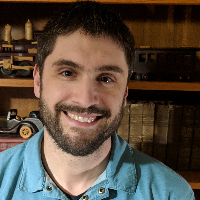
About Si
Si Thompson is a Licensed Clinical Social Worker (LCSW) based in Idaho who helps people navigate low self-esteem and related struggles. He writes simply and directly, and aims to make sessions feel practical and down to earth for people who are tired of feeling stuck.
He grew up in the Northwest and now lives in North Idaho with his family. He earned a Bachelor of Science in psychology from the University of Idaho and a Master of Social Work from Boise State University. Over nine years he has worked in a range of settings, including AmeriCorps service in rural schools, wilderness counseling for teens, and mentoring in therapeutic residential programs.
Si frames therapy around collaboration and clear communication. He emphasizes empathy, relating as equals, and teaching with curiosity. Sessions focus on helping people understand themselves better and find steps they can actually use between meetings.
His approach pulls from several traditions, especially strengths-based ideas, existential thinking, and cognitive methods. He uses cognitive behavioral techniques and narrative tools to help people notice and change unhelpful thoughts and patterns. Practical exercises, journaling, role-play, and relaxation work are commonly used when they fit the person’s needs.
Si also brings creative options into sessions, such as artwork or media-based exercises, and sometimes gentle humor to ease tension. He describes therapy as a shared journey and aims to support people as they try out new ways of living and relating.
He grew up in the Northwest and now lives in North Idaho with his family. He earned a Bachelor of Science in psychology from the University of Idaho and a Master of Social Work from Boise State University. Over nine years he has worked in a range of settings, including AmeriCorps service in rural schools, wilderness counseling for teens, and mentoring in therapeutic residential programs.
Si frames therapy around collaboration and clear communication. He emphasizes empathy, relating as equals, and teaching with curiosity. Sessions focus on helping people understand themselves better and find steps they can actually use between meetings.
His approach pulls from several traditions, especially strengths-based ideas, existential thinking, and cognitive methods. He uses cognitive behavioral techniques and narrative tools to help people notice and change unhelpful thoughts and patterns. Practical exercises, journaling, role-play, and relaxation work are commonly used when they fit the person’s needs.
Si also brings creative options into sessions, such as artwork or media-based exercises, and sometimes gentle humor to ease tension. He describes therapy as a shared journey and aims to support people as they try out new ways of living and relating.