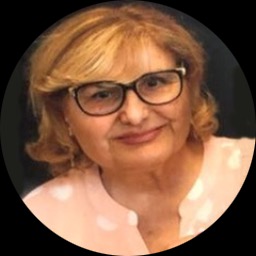
- LMFT in California
- 29 years experience
- English and Persian
About Shahla
Shahla Raboubi is a licensed marriage and family therapist (LMFT) practicing in California. She brings 29 years of clinical experience to sessions and aims to meet people where they are. Shahla uses straightforward, practical conversation to help people navigate stress, relationships, and life transitions.
She leans on approaches such as cognitive behavioral therapy, attachment-based work, emotionally-focused techniques, and narrative and existential ideas. Sessions focus on identifying what is getting in the way, noticing patterns, and testing small changes that can make daily life easier. Shahla also draws on trauma-informed perspectives when past hurt affects current choices.
People come to her with anxiety, depression, grief, or problems with intimacy and self esteem. She also helps those facing parenting strain, addiction concerns, career change, ADHD-related challenges, and anger. Shahla names family and communication issues, abandonment, and self-love as recurring themes in her practice.
Her background includes long experience in community mental health and independent practice. Shahla completed graduate study in psychology and marriage and family therapy and has pursued PhD-level clinical psychology coursework. She practices in California and holds the LMFT credential.
Her style is direct and compassionate. She works collaboratively to set goals and tries practical steps between sessions. People who want focused, experience-based guidance for managing emotions and improving relationships may find this approach useful.
She leans on approaches such as cognitive behavioral therapy, attachment-based work, emotionally-focused techniques, and narrative and existential ideas. Sessions focus on identifying what is getting in the way, noticing patterns, and testing small changes that can make daily life easier. Shahla also draws on trauma-informed perspectives when past hurt affects current choices.
People come to her with anxiety, depression, grief, or problems with intimacy and self esteem. She also helps those facing parenting strain, addiction concerns, career change, ADHD-related challenges, and anger. Shahla names family and communication issues, abandonment, and self-love as recurring themes in her practice.
Her background includes long experience in community mental health and independent practice. Shahla completed graduate study in psychology and marriage and family therapy and has pursued PhD-level clinical psychology coursework. She practices in California and holds the LMFT credential.
Her style is direct and compassionate. She works collaboratively to set goals and tries practical steps between sessions. People who want focused, experience-based guidance for managing emotions and improving relationships may find this approach useful.