- Addictions
- Self esteem
- Trauma
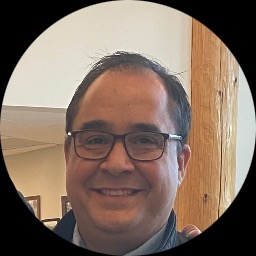
About Shad
Shad St. Paul is a Licensed Independent Clinical Social Worker (LICSW) practicing in Washington. He focuses on helping people manage addiction, trauma, anger, low self esteem, and depression. He aims to provide a calm, respectful space where people can talk through what feels most urgent to them.
Shad draws on 14 years of experience in mental health and substance use work. He uses practical strategies from cognitive behavioral therapy and dialectical behavior therapy to help with thoughts, urges, and strong emotions. He also uses client-centered and narrative approaches to honor each person's story and strengths.
Sessions often include setting clear, achievable goals and practicing skills between meetings. Motivational interviewing may be used to support changes around substance use and commitment issues. He pays attention to patterns like codependency, communication problems, and obsessive habits so those patterns can be changed in day-to-day life.
People who bring concerns about family conflict, guilt and shame, jealousy, or life purpose will find an emphasis on real-world steps and emotional regulation. For conditions such as disruptive mood dysregulation disorder, phobias, paranoia, and OCD symptoms, he combines symptom-focused techniques with longer-term narrative work.
Shad works in English and his practice is based in Washington. He describes therapy as a collaborative process where small changes add up over time. To get started, people follow the site’s intake steps and schedule according to the matching process.
Shad draws on 14 years of experience in mental health and substance use work. He uses practical strategies from cognitive behavioral therapy and dialectical behavior therapy to help with thoughts, urges, and strong emotions. He also uses client-centered and narrative approaches to honor each person's story and strengths.
Sessions often include setting clear, achievable goals and practicing skills between meetings. Motivational interviewing may be used to support changes around substance use and commitment issues. He pays attention to patterns like codependency, communication problems, and obsessive habits so those patterns can be changed in day-to-day life.
People who bring concerns about family conflict, guilt and shame, jealousy, or life purpose will find an emphasis on real-world steps and emotional regulation. For conditions such as disruptive mood dysregulation disorder, phobias, paranoia, and OCD symptoms, he combines symptom-focused techniques with longer-term narrative work.
Shad works in English and his practice is based in Washington. He describes therapy as a collaborative process where small changes add up over time. To get started, people follow the site’s intake steps and schedule according to the matching process.