- Calm steady presence
- Practical tools
- Client-centered care
About Sequoia
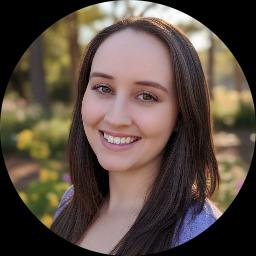
Sequoia San Juan is an LPCC who helps people handling stress, anxiety, low self esteem, and relationship or intimacy struggles. She offers a calm, steady presence for those facing grief, depression, trauma, or big life changes. Her work aims to give people a place to pause, breathe, and stop carrying everything alone.
Sequoia listens closely to each person’s story and meets them without judgment. Sessions move at a pace that respects how the body and feelings respond. She focuses on building clarity and small, usable steps that make daily life feel more manageable.
Her work draws from client-centered practices, cognitive behavioral therapy, mindfulness, motivational interviewing, and narrative ideas. These approaches are used flexibly as tools to help with grounding, shifting unhelpful patterns, and naming difficult experiences. Sequoia avoids rigid techniques and instead adjusts methods to what feels helpful moment to moment.
People often come for help with panic attacks, social anxiety, isolation, or trouble communicating in important relationships. She also supports those exploring life purpose, self-love, and recovering from post-traumatic stress. Over time the aim is for clients to notice clearer thinking, steadier reactions, and a stronger sense of voice.
Sequoia has seven years of clinical experience and practices in California. She meets adults, teens, and couples, and works in English. To begin, people use the site’s continue button on this profile to complete a short matching questionnaire and schedule sessions according to availability.
Sequoia listens closely to each person’s story and meets them without judgment. Sessions move at a pace that respects how the body and feelings respond. She focuses on building clarity and small, usable steps that make daily life feel more manageable.
Her work draws from client-centered practices, cognitive behavioral therapy, mindfulness, motivational interviewing, and narrative ideas. These approaches are used flexibly as tools to help with grounding, shifting unhelpful patterns, and naming difficult experiences. Sequoia avoids rigid techniques and instead adjusts methods to what feels helpful moment to moment.
People often come for help with panic attacks, social anxiety, isolation, or trouble communicating in important relationships. She also supports those exploring life purpose, self-love, and recovering from post-traumatic stress. Over time the aim is for clients to notice clearer thinking, steadier reactions, and a stronger sense of voice.
Sequoia has seven years of clinical experience and practices in California. She meets adults, teens, and couples, and works in English. To begin, people use the site’s continue button on this profile to complete a short matching questionnaire and schedule sessions according to availability.