- Direct problem solving
- Trauma-informed care
- Flexible approach
About Scott
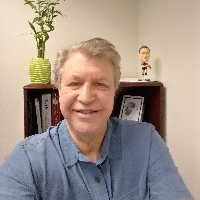
Scott Underwood is a Licensed Clinical Social Worker with 23 years of experience. He began his clinical path as an Army Behavioral Science Specialist and later worked in community mental health, psychiatric hospitals, and independent practice. He has provided care for active duty Air Force personnel and other clients across a wide range of concerns.
He focuses on practical problem solving for issues like trauma, depression, anxiety, anger, and self esteem. He also helps people dealing with grief, career changes, parenting stress, and sleep or eating difficulties. He describes counseling as approachable and sometimes even lightened by appropriate humor to relieve tension.
Scott uses methods that include Cognitive Behavioral Therapy, EMDR, and trauma-focused approaches. He aims to match tools and pace to each person's needs, whether someone wants short-term coaching or ongoing work. He encourages new clients to bring a clear idea of what they want from therapy to help set goals.
He has experience with severe conditions as well as with highly functional people who find themselves stuck. Scott says he will adapt if a client's priorities change, and he welcomes people who want to sample therapy to see how it feels. He works from California and offers services in English.
For people who prefer telework options, the enrollment process on the platform includes a short matching questionnaire and scheduling based on therapist availability.
He focuses on practical problem solving for issues like trauma, depression, anxiety, anger, and self esteem. He also helps people dealing with grief, career changes, parenting stress, and sleep or eating difficulties. He describes counseling as approachable and sometimes even lightened by appropriate humor to relieve tension.
Scott uses methods that include Cognitive Behavioral Therapy, EMDR, and trauma-focused approaches. He aims to match tools and pace to each person's needs, whether someone wants short-term coaching or ongoing work. He encourages new clients to bring a clear idea of what they want from therapy to help set goals.
He has experience with severe conditions as well as with highly functional people who find themselves stuck. Scott says he will adapt if a client's priorities change, and he welcomes people who want to sample therapy to see how it feels. He works from California and offers services in English.
For people who prefer telework options, the enrollment process on the platform includes a short matching questionnaire and scheduling based on therapist availability.