- Client-centered approach
- Skill-based tools
- Values-focused work
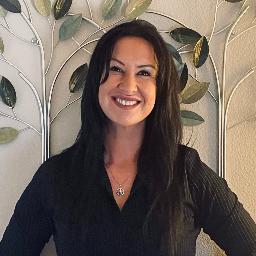
About Sarah
Sarah Newmeyer is a licensed clinical social worker with 17 years of experience. She brings a warm, straightforward style to sessions and focuses on practical steps people can take to feel steadier. Sarah is based in Nevada and lists self esteem among her areas of focus.
She uses an interactive, client-centered approach that values listening first. Sessions often mix conversation with simple learning tools that spark reflection and problem solving. The aim is to set clear, realistic goals that match each person's needs.
Sarah draws on several evidence-informed methods, including cognitive behavioral techniques and dialectical behavior ideas, to help with mood, anxiety, and stresses that come from life changes. Attachment-based perspectives help when relationship patterns or abandonment issues show up. She also uses acceptance and commitment ideas to help people move toward values that matter to them.
Her background includes work across community settings and a range of life-stage concerns. That experience informs a practical style focused on day-to-day coping, communication, and managing strong emotions. Sarah also lists work with addictions, grief, parenting strain, and first responder challenges.
People who meet with Sarah can expect a collaborative process. She helps name problems, practices skills in session, and builds steps to try between meetings. The goal is clearer thinking and more reliable daily functioning, not overnight fixes.
She uses an interactive, client-centered approach that values listening first. Sessions often mix conversation with simple learning tools that spark reflection and problem solving. The aim is to set clear, realistic goals that match each person's needs.
Sarah draws on several evidence-informed methods, including cognitive behavioral techniques and dialectical behavior ideas, to help with mood, anxiety, and stresses that come from life changes. Attachment-based perspectives help when relationship patterns or abandonment issues show up. She also uses acceptance and commitment ideas to help people move toward values that matter to them.
Her background includes work across community settings and a range of life-stage concerns. That experience informs a practical style focused on day-to-day coping, communication, and managing strong emotions. Sarah also lists work with addictions, grief, parenting strain, and first responder challenges.
People who meet with Sarah can expect a collaborative process. She helps name problems, practices skills in session, and builds steps to try between meetings. The goal is clearer thinking and more reliable daily functioning, not overnight fixes.