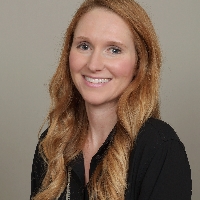
Sara Irwin is a licensed counselor who focuses on helping people find steadier footing when life feels overwhelming. She brings 14 years of experience and a calm, straightforward approach to concerns like stress, anxiety, depression, substance use, and self esteem. Sara speaks English and works with clients in Nebraska as well as people in other places.
Her sessions are practical and conversational. She listens closely, helps people sort priorities, and coaches small steps that lead to change. She draws on methods from Cognitive Behavioral Therapy and Acceptance and Commitment Therapy alongside client-centered and attachment-informed ideas to tailor work to each person's needs.
Sara has a Master of Arts in Community Counseling from Creighton University and holds LCPC and LPC credentials in Nevada and Missouri. Over her career she has supported people coping with trauma, grief, parenting strain, relationship problems, eating concerns, anger, ADHD, and major life transitions. She also works with issues tied to caregiving, codependency, and body image.
Sessions can include skill practice, values-focused planning, problem solving, and checking in on progress between meetings. She aims to make therapy feel useful and manageable for busy lives, offering straightforward tools rather than jargon.
Outside of work she spends time with her family, runs, reads, and enjoys outdoor time. That everyday perspective shows up in her style: approachable, steady, and focused on helping people move forward.
Approaches that guide online sessions
Acceptance and Commitment Therapy (ACT) helps people clarify what matters to them and take small, committed steps toward those values while learning to live with difficult thoughts and feelings. It can be useful for anxiety, stress, and self esteem work. Cognitive Behavioral Therapy (CBT) focuses on identifying unhelpful thinking and behavior patterns, then practicing different responses to reduce symptoms and improve daily functioning. It often helps with depression, anxiety, and coping skills. Attachment-Based Therapy looks at how early relationships shape expectations and emotional habits and then works to build safer, more satisfying ways of relating to others.
Finding the right approach is part of the work. The therapist will collaborate with each person to choose which methods fit best for their goals, needs, and preferences. That decision can shift over time as progress is tracked and new challenges arise.
Online therapy makes these approaches accessible in practical ways. Together these formats offer flexibility so therapy can fit into daily life and changes over time.
Discuss the practical arrangements before beginning therapy online. Confirm the current session options, fees, and appointment schedule, and raise any access needs or communication preferences. The aim is to understand the next steps and decide whether the proposed arrangements work for you.
AbandonmentAging and geriatric issuesAttachment issuesBlended family issuesBody imageCancerCaregiver issues and stressCodependencyCommitment issuesCommunication problemsControl issuesCoping with natural or human-caused disasterDisruptive Mood Dysregulation Disorder (DMDD)DissociationDivorce and separationDomestic violenceDrug and alcohol addictionEating and food-related issuesEmptinessFamily problemsFatherhood issuesFertility issuesFirst responder issuesForgivenessGender dysphoriaGuilt and shameHospice and end-of-life counselingImpulsivityInfidelityIsolation / lonelinessJealousyLife purposeMidlife crisisMoney and financial issuesMood disordersNarcissismObsessions, compulsions, and OCDPanic disorder and panic attacksParanoiaPhobiasPolyamory / non-monogamous relationshipsPostpartum depressionPost-traumatic stressPregnancy and childbirthPrejudice and discriminationSeasonal Affective Disorder (SAD)Self-harmSelf-loveSexual assault and abuseSocial anxiety and phobiaTraumatic brain injuryWomen's issuesWorkplace issuesYoung adult issues
Nebraska, Iowa, Missouri, Nevada, Texas, California
Languages
English
Frequently asked questions
What kinds of concerns does she address?
Sara supports people facing stress, anxiety, depression, addictions, trauma, relationship and parenting struggles, self esteem issues, and more.
How would you describe her therapeutic style?
Her style is warm and practical. She listens carefully, helps set clear goals, and uses skills-based work to make change feel achievable.
What is her professional background?
She has 14 years of experience and a Master of Arts in Community Counseling from Creighton University, with a long history in clinic and independent practice settings.
Where is she based and what credentials does she hold?
Sara practices from Nebraska and holds LCPC and LPC credentials listed as NV LCPC and MO LPC.
Which languages are supported and can international clients connect?
Sessions are offered in English and Sara accepts international clients.
What should I confirm before booking?
Ask about the current session options and scheduling arrangements before starting. Discuss any communication preferences or access needs with the therapist.
How does payment and cost work?
Cost varies with location and therapist availability, and sessions use a subscription model that can be canceled at any time.
How do I begin working with her?
Start by selecting the continue button on this profile, complete a short matching questionnaire, and schedule a session according to therapist availability.