- Client-centered care
- CBT and DBT skills
- Practical goal setting
About Rhonda
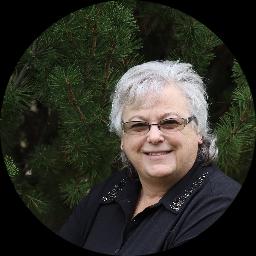
Rhonda Hinsperger is a licensed mental health counselor who uses a client-centered approach to help people facing stress, anxiety, low self esteem, depression, grief, and relationship strain. She brings a calm, respectful presence and works with each person to build a plan that fits their needs. Rhonda is based in Washington and communicates in English.
With 11 years of experience as an LMHC, she adapts common therapy tools to everyday problems. She draws from Cognitive Behavioral Therapy to help people notice thinking patterns that feed anxiety or low self esteem. She also uses Dialectical Behavior Therapy skills for emotional regulation, and Solution-Focused methods to set short-term, practical goals.
Rhonda often helps people dealing with family conflict, parenting stress, custody or mediation concerns, and the fallout from trauma or abuse. She also addresses specific issues like infidelity, jealousy, veteran and armed forces issues, and personality disorder challenges by tailoring interventions to the situation.
Her sessions emphasize clear listening and collaborative planning. She builds individualized case plans and teaches skills clients can use between meetings. Appointments are arranged to suit a client’s schedule.
If someone wants to begin, Rhonda asks they complete a short matching questionnaire and then schedule a time. That initial step helps identify goals and the first practical steps toward change.
With 11 years of experience as an LMHC, she adapts common therapy tools to everyday problems. She draws from Cognitive Behavioral Therapy to help people notice thinking patterns that feed anxiety or low self esteem. She also uses Dialectical Behavior Therapy skills for emotional regulation, and Solution-Focused methods to set short-term, practical goals.
Rhonda often helps people dealing with family conflict, parenting stress, custody or mediation concerns, and the fallout from trauma or abuse. She also addresses specific issues like infidelity, jealousy, veteran and armed forces issues, and personality disorder challenges by tailoring interventions to the situation.
Her sessions emphasize clear listening and collaborative planning. She builds individualized case plans and teaches skills clients can use between meetings. Appointments are arranged to suit a client’s schedule.
If someone wants to begin, Rhonda asks they complete a short matching questionnaire and then schedule a time. That initial step helps identify goals and the first practical steps toward change.