- Client-centered approach
- Trauma-informed care
- Skills-based tools
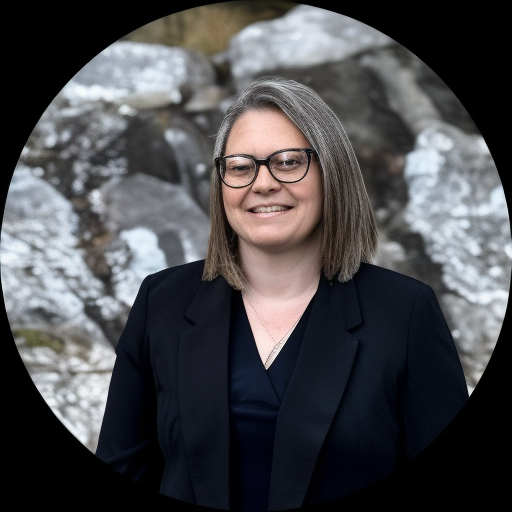
About Rachel
Rachel Hayes is a Licensed Professional Counselor (LPC) with eight years of counseling experience. She practices in Florida and works with people facing issues like anxiety, depression, addictions, and self esteem concerns. Rachel focuses on helping clients find practical steps forward and regain a sense of control.
Her approach centers on the person in front of her. She uses client-centered methods to build trust and create clear goals together. Cognitive Behavioral Therapy helps people spot and change unhelpful thinking and behavior patterns. Dialectical Behavior Therapy offers skills for emotion regulation and distress tolerance when feelings run high.
Rachel also uses trauma-focused work, including Eye Movement Desensitization and Reprocessing, when trauma or abuse has affected daily life. Motivational Interviewing is part of her work with substance use and other behavior change challenges. She adapts methods to the needs of each individual rather than following a fixed script.
In sessions she aims for a calm, direct style that mixes listening with practical skill-building. She will outline tasks to try between meetings and check progress in a straightforward way. The focus is on small, achievable steps that add up to real change.
Rachel accepts international clients and conducts therapy in English. To begin, a short matching questionnaire helps pair a person with her and then appointments are scheduled according to availability. Payment and session arrangements vary by location and use a subscription that can be canceled at any time.
Her approach centers on the person in front of her. She uses client-centered methods to build trust and create clear goals together. Cognitive Behavioral Therapy helps people spot and change unhelpful thinking and behavior patterns. Dialectical Behavior Therapy offers skills for emotion regulation and distress tolerance when feelings run high.
Rachel also uses trauma-focused work, including Eye Movement Desensitization and Reprocessing, when trauma or abuse has affected daily life. Motivational Interviewing is part of her work with substance use and other behavior change challenges. She adapts methods to the needs of each individual rather than following a fixed script.
In sessions she aims for a calm, direct style that mixes listening with practical skill-building. She will outline tasks to try between meetings and check progress in a straightforward way. The focus is on small, achievable steps that add up to real change.
Rachel accepts international clients and conducts therapy in English. To begin, a short matching questionnaire helps pair a person with her and then appointments are scheduled according to availability. Payment and session arrangements vary by location and use a subscription that can be canceled at any time.