- Practical tools
- Goal focused
- Mindfulness informed
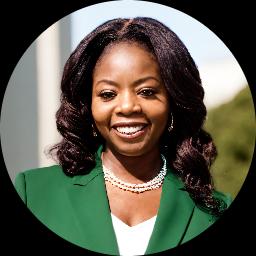
About Quenette
Quenette Freeman, LCSW, helps people who are feeling stuck by focusing on practical steps they can use right away. She works with concerns such as stress, anxiety, grief, anger, self esteem, and other challenges that make daily life harder. Her approach centers on building confidence and small skills people can apply between sessions.
Quenette uses short-term, goal-focused work aimed at measurable changes over weeks. She blends Cognitive Behavioral Therapy (CBT) with mindfulness practices to teach tools for managing thoughts, emotions, and reactions. Sessions emphasize simple strategies that can be practiced at home to reduce worry and improve sleep and mood.
Her background is in social work and she holds a Licensed Clinical Social Worker credential in California. Over eight years she has worked with a range of concerns from trauma and abuse to caregiver stress and compassion fatigue. That experience informs an approach that balances compassion with clear, actionable steps.
Quenette often helps people untangle relationship patterns, attachment worries, and communication problems. She also addresses issues like panic attacks, dissociation, and survivor concerns with attention to pacing and safety. Work on career strain, parenting stress, and midlife transitions is framed around realistic coping and planning.
In sessions she invites people to name goals and test tools between meetings. The focus is on collaboration and building confidence so clients can notice progress in everyday life. Prospective clients in California should confirm current session options before booking.
Quenette uses short-term, goal-focused work aimed at measurable changes over weeks. She blends Cognitive Behavioral Therapy (CBT) with mindfulness practices to teach tools for managing thoughts, emotions, and reactions. Sessions emphasize simple strategies that can be practiced at home to reduce worry and improve sleep and mood.
Her background is in social work and she holds a Licensed Clinical Social Worker credential in California. Over eight years she has worked with a range of concerns from trauma and abuse to caregiver stress and compassion fatigue. That experience informs an approach that balances compassion with clear, actionable steps.
Quenette often helps people untangle relationship patterns, attachment worries, and communication problems. She also addresses issues like panic attacks, dissociation, and survivor concerns with attention to pacing and safety. Work on career strain, parenting stress, and midlife transitions is framed around realistic coping and planning.
In sessions she invites people to name goals and test tools between meetings. The focus is on collaboration and building confidence so clients can notice progress in everyday life. Prospective clients in California should confirm current session options before booking.