- 15 years experience
- Trauma focused care
- Practical skills
About Paul
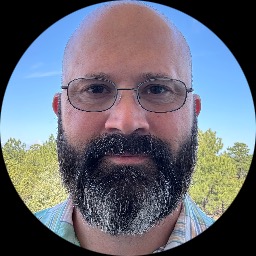
Paul Brunner is a licensed clinical social worker with 15 years of experience in mental health. He is an LCSW and a CSW who has worked in military settings and civilian practice. Paul aims to help people who feel overwhelmed by stress, anxiety, low self esteem, or past trauma find steadier footing.
Paul uses straightforward, practical methods in sessions. He draws on Cognitive Behavioral Therapy, Dialectical Behavior Therapy, EMDR, mindfulness practices, and motivational interviewing to tailor work to each person. Sessions focus on skills that reduce distress, shift unhelpful thinking, and support recovery from traumatic events.
His background includes service in the Army beginning in 1999 and later work as an active duty social worker and officer. Paul completed a Master of Social Work and met licensing requirements in Colorado and North Carolina. Over the years he has provided trauma-focused care and substance-related treatment in settings serving Veterans.
Paul has also delivered specialized support related to domestic violence and sexual abuse. He emphasizes meeting people where they are and helping them move beyond past events at a pace that feels manageable. Practical tools and short-term strategies are often balanced with deeper trauma work when that is helpful.
People who choose him can expect a calm, direct approach that prioritizes clear goals and steady progress. He aims to help people rebuild confidence, manage strong emotions, and regain a sense of control in daily life.
Paul uses straightforward, practical methods in sessions. He draws on Cognitive Behavioral Therapy, Dialectical Behavior Therapy, EMDR, mindfulness practices, and motivational interviewing to tailor work to each person. Sessions focus on skills that reduce distress, shift unhelpful thinking, and support recovery from traumatic events.
His background includes service in the Army beginning in 1999 and later work as an active duty social worker and officer. Paul completed a Master of Social Work and met licensing requirements in Colorado and North Carolina. Over the years he has provided trauma-focused care and substance-related treatment in settings serving Veterans.
Paul has also delivered specialized support related to domestic violence and sexual abuse. He emphasizes meeting people where they are and helping them move beyond past events at a pace that feels manageable. Practical tools and short-term strategies are often balanced with deeper trauma work when that is helpful.
People who choose him can expect a calm, direct approach that prioritizes clear goals and steady progress. He aims to help people rebuild confidence, manage strong emotions, and regain a sense of control in daily life.