- Person-centered care
- CBT and motivation
- Focus on self esteem
About NaTonya
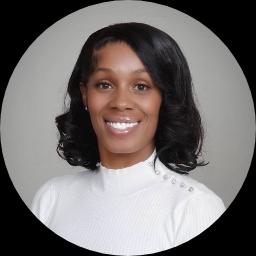
NaTonya Scott is a Licensed Professional Counselor (LPC) who centers her work on the person in front of her. She focuses on building a respectful, collaborative relationship and helps people find practical steps forward. NaTonya brings a calm, nonjudgmental presence to sessions and pays attention to each person's goals and values.
She uses person-centered methods alongside cognitive-behavioral tools to address issues like anxiety, depression, and low self esteem. Motivational interviewing and trauma-focused techniques are part of her approach when clients need help with addictions, grief, or recovery from past harm. She adapts strategies to fit what each person finds useful rather than following a single script.
Clients can expect straightforward conversations aimed at clarifying problems and testing small changes. NaTonya often helps people spot unhelpful thoughts, try new behaviors, and strengthen coping skills for stress and life transitions. Sessions are paced to match the person's comfort and readiness.
Her background includes work in agency settings, telehealth, and independent practice over four years. That variety has exposed her to many common struggles, including relationship conflict, compassion fatigue, eating concerns, and adjustment after major life changes. She combines practical techniques with attention to values and meaning.
NaTonya works in Missouri and provides services in English. She welcomes questions about how her style might fit a particular concern and invites prospective clients to start by describing what they most want to change.
She uses person-centered methods alongside cognitive-behavioral tools to address issues like anxiety, depression, and low self esteem. Motivational interviewing and trauma-focused techniques are part of her approach when clients need help with addictions, grief, or recovery from past harm. She adapts strategies to fit what each person finds useful rather than following a single script.
Clients can expect straightforward conversations aimed at clarifying problems and testing small changes. NaTonya often helps people spot unhelpful thoughts, try new behaviors, and strengthen coping skills for stress and life transitions. Sessions are paced to match the person's comfort and readiness.
Her background includes work in agency settings, telehealth, and independent practice over four years. That variety has exposed her to many common struggles, including relationship conflict, compassion fatigue, eating concerns, and adjustment after major life changes. She combines practical techniques with attention to values and meaning.
NaTonya works in Missouri and provides services in English. She welcomes questions about how her style might fit a particular concern and invites prospective clients to start by describing what they most want to change.