- 50 years experience
- Focus on self esteem
- Practical skill building
About Myron
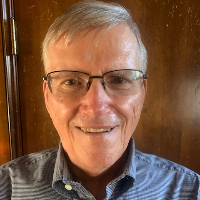
Myron Dianiska is a licensed counselor who helps people facing stress, anxiety, depression, and self-esteem struggles. He brings 50 years of experience and a steady, practical approach to sessions. He focuses on real problems like panic attacks, addiction, workplace strain, and questions about life purpose.
In sessions he uses straightforward methods to help people notice what matters and make small changes. He listens without judgment and works with each person to set realistic goals. He often combines cognitive behavioral ideas with mindfulness and acceptance work to reduce distress and increase daily coping skills.
Myron has spent decades working across multiple states and with many kinds of concerns. That background informs how he tailors interventions to each person’s situation. He pays particular attention to men’s issues, young adult transitions, and challenges tied to fatherhood and career decisions.
People who come for help can expect practical tools and steady support. He emphasizes skill building, emotional validation, and collaborative problem-solving. Sessions aim to translate insight into doable steps for daily life.
His work covers a broad range of issues including trauma, grief, obsessive behaviors, mood disorders, and substance use concerns. He also supports people dealing with sleep problems, anger, ADHD, and relationship stress. Myron helps clients move toward clearer priorities and more satisfying routines.
In sessions he uses straightforward methods to help people notice what matters and make small changes. He listens without judgment and works with each person to set realistic goals. He often combines cognitive behavioral ideas with mindfulness and acceptance work to reduce distress and increase daily coping skills.
Myron has spent decades working across multiple states and with many kinds of concerns. That background informs how he tailors interventions to each person’s situation. He pays particular attention to men’s issues, young adult transitions, and challenges tied to fatherhood and career decisions.
People who come for help can expect practical tools and steady support. He emphasizes skill building, emotional validation, and collaborative problem-solving. Sessions aim to translate insight into doable steps for daily life.
His work covers a broad range of issues including trauma, grief, obsessive behaviors, mood disorders, and substance use concerns. He also supports people dealing with sleep problems, anger, ADHD, and relationship stress. Myron helps clients move toward clearer priorities and more satisfying routines.