- Compassionate honest approach
- Practical daily strategies
- Focus on relationships
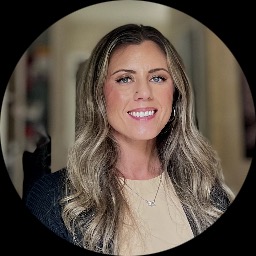
About Morgan
Morgan Sternhagen is an LCPC practicing in Montana. She brings a long history in mental health and a decade of therapy work to sessions. Morgan focuses on helping people who feel stuck by building a strong working relationship and practical routines they can try between appointments.
Morgan believes a good fit matters. She centers sessions on compassion, honesty, and respect. Change is seen as something that happens with small steps and repeated practice. She says what works for one person may not work for another, and she adjusts strategies to match each person's needs.
Her background includes work in hospitals, residential programs, community settings, and outpatient care. That range shaped her approach to common struggles like trauma, abuse, stress, anxiety, and depression. She also supports people facing grief, parenting strain, relationship problems, addiction concerns, career stress, and life transitions.
Clinical tools Morgan uses include Cognitive Behavioral Therapy, attachment-focused ideas, and trauma-focused strategies. In sessions she blends these to help people manage symptoms, shift unhelpful patterns, and practice new ways of coping. She emphasizes straightforward techniques and homework people can use in daily life.
Morgan works in English and is licensed as an LCPC. If someone is ready to try therapy she asks them to consider how they want to grow, and then she helps plan manageable steps toward those goals.
Morgan believes a good fit matters. She centers sessions on compassion, honesty, and respect. Change is seen as something that happens with small steps and repeated practice. She says what works for one person may not work for another, and she adjusts strategies to match each person's needs.
Her background includes work in hospitals, residential programs, community settings, and outpatient care. That range shaped her approach to common struggles like trauma, abuse, stress, anxiety, and depression. She also supports people facing grief, parenting strain, relationship problems, addiction concerns, career stress, and life transitions.
Clinical tools Morgan uses include Cognitive Behavioral Therapy, attachment-focused ideas, and trauma-focused strategies. In sessions she blends these to help people manage symptoms, shift unhelpful patterns, and practice new ways of coping. She emphasizes straightforward techniques and homework people can use in daily life.
Morgan works in English and is licensed as an LCPC. If someone is ready to try therapy she asks them to consider how they want to grow, and then she helps plan manageable steps toward those goals.