- Strengths based
- Trauma informed
- Artful approaches
About Michon
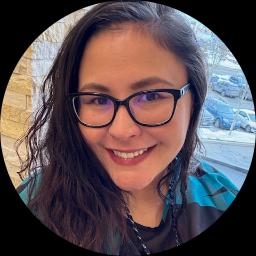
Michon Whiterose is a CSW with seven years of clinical experience based in Alaska. She helps people who are dealing with stress, anxiety, addictions, relationship strain, trauma and abuse, and low self esteem. She approaches work with a respectful, strengths-based mindset and supports clients as they take steps toward change.
She encourages clients to see themselves as the expert in their own story and builds on existing strengths. Michon offers practical tools and skills to manage overwhelming feelings and cope with cravings or triggers. She also uses expressive arts approaches to help people name and process difficult experiences when words alone feel limited.
Her background includes work in rural behavioral health and substance-abuse settings, and she has extensive experience with Native American and Alaska Native communities. That experience shapes a culturally aware approach and an emphasis on connection, meaning, and safety in the therapeutic relationship.
Sessions tend to be collaborative and skill-focused. Michon blends cognitive strategies and behavioral skills with mindfulness and emotion-regulation practices. She aims to make sessions clear, tangible, and useful for day-to-day life.
For people facing relationship challenges, grief from separation, body-image struggles, or social anxiety, she offers ways to practice new communication patterns and self-compassion. Michon supports exploration of life purpose, forgiveness work, and healing from post-traumatic stress and abandonment wounds.
She encourages clients to see themselves as the expert in their own story and builds on existing strengths. Michon offers practical tools and skills to manage overwhelming feelings and cope with cravings or triggers. She also uses expressive arts approaches to help people name and process difficult experiences when words alone feel limited.
Her background includes work in rural behavioral health and substance-abuse settings, and she has extensive experience with Native American and Alaska Native communities. That experience shapes a culturally aware approach and an emphasis on connection, meaning, and safety in the therapeutic relationship.
Sessions tend to be collaborative and skill-focused. Michon blends cognitive strategies and behavioral skills with mindfulness and emotion-regulation practices. She aims to make sessions clear, tangible, and useful for day-to-day life.
For people facing relationship challenges, grief from separation, body-image struggles, or social anxiety, she offers ways to practice new communication patterns and self-compassion. Michon supports exploration of life purpose, forgiveness work, and healing from post-traumatic stress and abandonment wounds.