- Client-centered care
- Cognitive tools
- Mindfulness focus
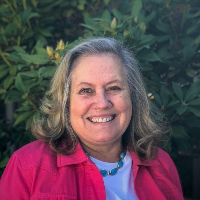
About Mary
Dr. Mary Moran is a licensed clinical social worker with two decades of experience in mental health and substance use treatment. She practices in Washington and brings a mix of practical approaches to help people manage stress, anxiety, addictions, depression, and self esteem concerns. Dr. Moran emphasizes collaboration and sets clear goals with each person she sees.
She earned a Bachelor of Arts in psychology from the University of Missouri, a Master of Social Work from the University of Georgia, and a Ph.D. from the University of Utah. Over more than 12 years she has also worked as a clinical supervisor for social workers and mental health counselors. These roles have shaped her focus on helping people navigate life transitions, grief, caregiver strain, and trauma-related concerns.
In sessions she combines client-centered listening with structured methods such as cognitive behavioral techniques and mindfulness practices. She also draws on the Gottman Method for relationship-related work and motivational interviewing to support change. Her approach attends to both internal thoughts and the effects of a person’s environment.
People can expect a straightforward style that balances exploration and practical steps. Sessions look at patterns in thinking, emotions, and behavior and test small changes that build confidence. Dr. Moran also addresses issues like codependency, communication problems, isolation, and midlife shifts.
Her background includes work with adoption and foster care topics, aging and hospice concerns, and post-traumatic stress. The aim is to help people feel clearer about next steps and to strengthen their ability to cope with life’s demands.
She earned a Bachelor of Arts in psychology from the University of Missouri, a Master of Social Work from the University of Georgia, and a Ph.D. from the University of Utah. Over more than 12 years she has also worked as a clinical supervisor for social workers and mental health counselors. These roles have shaped her focus on helping people navigate life transitions, grief, caregiver strain, and trauma-related concerns.
In sessions she combines client-centered listening with structured methods such as cognitive behavioral techniques and mindfulness practices. She also draws on the Gottman Method for relationship-related work and motivational interviewing to support change. Her approach attends to both internal thoughts and the effects of a person’s environment.
People can expect a straightforward style that balances exploration and practical steps. Sessions look at patterns in thinking, emotions, and behavior and test small changes that build confidence. Dr. Moran also addresses issues like codependency, communication problems, isolation, and midlife shifts.
Her background includes work with adoption and foster care topics, aging and hospice concerns, and post-traumatic stress. The aim is to help people feel clearer about next steps and to strengthen their ability to cope with life’s demands.