- Strengths-focused
- Practical steps
- Trauma-aware
About Mary
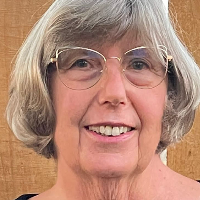
Mary "Jackie" Downie is a Licensed Clinical Social Worker who helps people facing low self-esteem, anxiety, depression, and life stress. She greets each person with a practical, down-to-earth approach and focuses on concrete steps that fit daily life. With two decades of experience, Jackie aims to help clients move toward clearer choices and steadier moods.
Jackie begins by looking for what has worked for a person before. She asks about strengths and coping strategies people may have overlooked. From there she and the client examine patterns that might be holding them back and try out new ways of thinking and acting.
Her work includes support for trauma from childhood or recent events, attention challenges, grief, workplace stress, and parenting concerns. Jackie also helps people dealing with addictions, mood disorders, panic, social anxiety, and relationship strain. She recognizes that each person’s situation is unique and adapts conversations to the individual.
In sessions she blends Client-Centered ideas with practical tools from Cognitive Behavioral Therapy and other focused approaches. That means listening closely, naming unhelpful thoughts, and testing small changes to see what helps. Sessions often aim for clear, manageable steps rather than long lists of techniques.
Jackie practices in Wyoming and uses plain language in sessions to keep things simple and usable. Her goal is to help people reconnect with strengths, reduce shame and guilt, and find ways to cope with hard events. To begin, readers are invited to follow the site booking steps to match and schedule a session.
Jackie begins by looking for what has worked for a person before. She asks about strengths and coping strategies people may have overlooked. From there she and the client examine patterns that might be holding them back and try out new ways of thinking and acting.
Her work includes support for trauma from childhood or recent events, attention challenges, grief, workplace stress, and parenting concerns. Jackie also helps people dealing with addictions, mood disorders, panic, social anxiety, and relationship strain. She recognizes that each person’s situation is unique and adapts conversations to the individual.
In sessions she blends Client-Centered ideas with practical tools from Cognitive Behavioral Therapy and other focused approaches. That means listening closely, naming unhelpful thoughts, and testing small changes to see what helps. Sessions often aim for clear, manageable steps rather than long lists of techniques.
Jackie practices in Wyoming and uses plain language in sessions to keep things simple and usable. Her goal is to help people reconnect with strengths, reduce shame and guilt, and find ways to cope with hard events. To begin, readers are invited to follow the site booking steps to match and schedule a session.