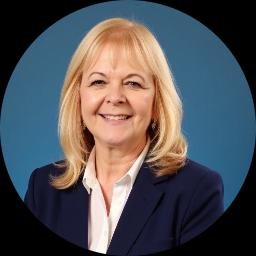
Marla Carman is a licensed mental health counselor with more than two decades of experience. She uses practical therapy approaches to help people manage stress, anxiety, depression, and relationship concerns. Marla emphasizes building self-esteem and clearer communication so people can feel steadier in daily life.
She blends methods like Acceptance and Commitment Therapy, Cognitive Behavioral Therapy, and mindfulness techniques. Those tools are used to help people name what matters to them, notice unhelpful patterns, and try different behaviors in small steps. EMDR is also part of her toolkit for processing trauma when that is a fit.
Marla has worked across many settings and with a wide range of issues tied to trauma, grief, addictions, and life transitions. She brings 21 years of clinical experience and holds the LMHC and LPC credentials. Her practice includes attention to body image, intimacy concerns, caregiver stress, and first responder issues among other topics.
Sessions focus on practical changes and steady emotional support. Conversations are direct but gentle, with attention to each person’s pace and goals. Marla aims to help people feel more empowered to make choices that match their values.
People can expect collaborative work that balances short-term skills and deeper healing. She supports clients through coping strategies, processing difficult memories when needed, and building stronger self-regard over time.
How Marla’s approaches translate to online therapy
Acceptance and Commitment Therapy (ACT) helps people clarify their values and take small actions toward them while learning to accept difficult thoughts and feelings. It can help with anxiety, depression, and low self-esteem by focusing on what matters and building consistent habits. Cognitive Behavioral Therapy (CBT) looks at the links between thoughts, feelings, and actions and teaches practical skills to change unhelpful patterns. It is useful for anxiety, mood concerns, sleep issues, and many day-to-day struggles. EMDR is a trauma-processing approach used when past events continue to cause intense distress; it is sometimes offered when trauma work is appropriate and the person and therapist agree it fits their goals.
Finding the right approach is a collaborative process. The therapist will talk with the client about goals, preferences, and what feels manageable. Together they will try methods, check what helps, and adapt the plan over time so the work fits the person’s needs.
The practical benefits of online therapy include easier scheduling and fitting sessions into a busy week. Some people find shorter check-ins or sessions between commitments useful, and others prefer the option of not traveling to an office. Because the profile does not list specific session formats, confirm current online options before booking so you know how sessions will be conducted.
AbandonmentAging and geriatric issuesBDSM, kink, and alternative sex cultureBody imageCaregiver issues and stressCodependencyCommunication problemsDependent personalityDivorce and separationEmptinessFamily of origin issuesFertility issuesFirst responder issuesGuilt and shameHospice and end-of-life counselingIsolation / lonelinessLife purposeMidlife crisisVeteran and Armed Forces IssuesMood disordersMulticultural concernsPanic disorder and panic attacksPolyamory / non-monogamous relationshipsPostpartum depressionPost-traumatic stressPregnancy and childbirthSeasonal Affective Disorder (SAD)Self-loveSexual assault and abuseSocial anxiety and phobiaTraumatic brain injuryWomen's issuesWorkplace issues
Therapeutic approaches
Acceptance and Commitment Therapy (ACT)Client-Centered TherapyCognitive Behavioral Therapy (CBT)Eye Movement Desensitization and Reprocessing (EMDR)Mindfulness TherapySolution-Focused TherapyTrauma-Focused Therapy
Experience
21+ years
Credentials
Arizona, Florida, Washington
Languages
English
Frequently asked questions
What kinds of concerns does Marla address?
She works with stress, anxiety, depression, relationship and intimacy issues, trauma and abuse, grief, addictions, sleep and eating concerns, parenting stress, and self esteem among other areas.
What is her general therapy style?
Her style is collaborative and strengths-based, combining mindful awareness, values work, and practical behavior changes to help people make steady progress.
How much clinical experience does she have?
She has 21 years of experience working in mental health across varied settings and with many kinds of life challenges.
What credentials and licensing does she hold and where is she based?
She holds LMHC and LPC credentials and practices in Arizona.
Which languages are used in sessions and can international clients book?
Sessions are offered in English and she does not accept international clients at this time.
What session formats are available?
The original profile does not specify session formats; please confirm current session options before booking.
How does cost and billing work?
Fees vary with location and therapist availability; sessions use a subscription that can be canceled at any time.
How do I begin working with her?
Use the continue button on this profile, complete a short matching questionnaire, and schedule according to therapist availability.