- Acceptance and action
- Skill-based tools
- Remote session options
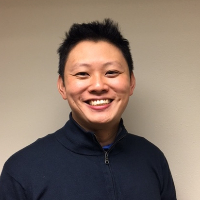
About Mark
Mark Yeung is a Licensed Clinical Social Worker (LCSW) practicing in Oregon. He brings 12 years of clinical experience to short- and longer-term work. Mark aims to make therapy straightforward and practical for people feeling overwhelmed, anxious, or uncertain about seeking help.
He uses approaches like Acceptance and Commitment Therapy (ACT), Cognitive Behavioral Therapy (CBT), and Dialectical Behavior Therapy (DBT) alongside a client-centered, solution-focused stance. Sessions tend to focus on skills people can use soon after meeting - ways to manage strong emotions, cope with stress, and shift unhelpful habits.
Mark has worked with people facing grief, chronic illness, addiction concerns, relationship strain, self esteem struggles, and major life changes. He also supports issues such as caregiver stress, multicultural concerns, and challenges tied to illness and aging. He describes his practice as grounded in empathy and practical problem-solving.
In sessions he prioritizes building a working relationship first. That means listening closely, clarifying what matters most to the person, and choosing approaches together. He explains methods plainly and focuses on applying tools to real daily problems.
He encourages an open conversation about goals so each plan fits the person’s life and schedule.
He uses approaches like Acceptance and Commitment Therapy (ACT), Cognitive Behavioral Therapy (CBT), and Dialectical Behavior Therapy (DBT) alongside a client-centered, solution-focused stance. Sessions tend to focus on skills people can use soon after meeting - ways to manage strong emotions, cope with stress, and shift unhelpful habits.
Mark has worked with people facing grief, chronic illness, addiction concerns, relationship strain, self esteem struggles, and major life changes. He also supports issues such as caregiver stress, multicultural concerns, and challenges tied to illness and aging. He describes his practice as grounded in empathy and practical problem-solving.
In sessions he prioritizes building a working relationship first. That means listening closely, clarifying what matters most to the person, and choosing approaches together. He explains methods plainly and focuses on applying tools to real daily problems.
He encourages an open conversation about goals so each plan fits the person’s life and schedule.