- Collaborative approach
- Strengths focused
- Solution oriented
About Mark
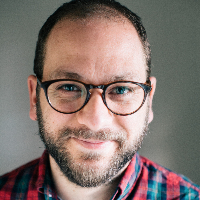
Mark Licitra is a Licensed Clinical Social Worker who helps people facing stress, anxiety, depression, grief, self esteem struggles, addictions, anger, relationship strain, career questions, and bipolar mood challenges. He approaches therapy in a calm, conversational way and works collaboratively to find practical steps that suit each person. Mark emphasizes the strengths people already have and helps them apply those strengths to daily problems.
He draws on 16 years of counseling experience across different settings. Sessions are straightforward and solution-focused, with an eye toward small, usable changes rather than long lists of theory. Clients can expect a conversational style that balances gentle challenge with support.
Mark uses several evidence-based approaches to shape sessions. Cognitive Behavioral Therapy is used to notice and shift unhelpful thinking and behavior. Dialectical Behavior Therapy offers skills for emotion regulation and distress tolerance. Acceptance and Commitment Therapy and mindfulness work help people live with difficult thoughts while moving toward valued actions.
He is open to discussing spiritual concerns and will work respectfully with people of faith or those wrestling with faith-related questions. Mark earned a Bachelor of Social Work from Oral Roberts University and a Master of Social Work from Temple University. He holds LCSW and LICSW credentials in Hawaii.
Outside of work he is a parent, musician, baker, gardener, and cyclist. Those personal interests inform a down-to-earth approach in sessions and a focus on practical, everyday changes.
He draws on 16 years of counseling experience across different settings. Sessions are straightforward and solution-focused, with an eye toward small, usable changes rather than long lists of theory. Clients can expect a conversational style that balances gentle challenge with support.
Mark uses several evidence-based approaches to shape sessions. Cognitive Behavioral Therapy is used to notice and shift unhelpful thinking and behavior. Dialectical Behavior Therapy offers skills for emotion regulation and distress tolerance. Acceptance and Commitment Therapy and mindfulness work help people live with difficult thoughts while moving toward valued actions.
He is open to discussing spiritual concerns and will work respectfully with people of faith or those wrestling with faith-related questions. Mark earned a Bachelor of Social Work from Oral Roberts University and a Master of Social Work from Temple University. He holds LCSW and LICSW credentials in Hawaii.
Outside of work he is a parent, musician, baker, gardener, and cyclist. Those personal interests inform a down-to-earth approach in sessions and a focus on practical, everyday changes.