- Solution-focused
- Goal oriented
- Evening and weekend
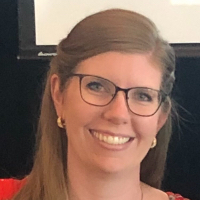
About Margaret
Margaret Reul is a Licensed Clinical Social Worker with 11 years of experience. She focuses on helping people manage stress, anxiety, grief, low self-esteem, depression, and compassion fatigue. Her practical approach suits people who want clear steps to feel steadier and more able to cope.
She uses Solution-Focused methods to identify small changes that lead to quick relief. That approach is paired with Client-Centered care that respects a person’s pace and priorities. Cognitive Behavioral Therapy techniques help challenge unhelpful thoughts, and Mindfulness practices support staying present during hard moments.
Margaret earned her Bachelor’s degree at UC Santa Barbara and a Master of Social Work from California State University, Los Angeles. She has worked across mental health and medical settings and has experience with serious mental illness and with people seeking a mental health tune-up. She has also supported first responders facing COVID-19 related stress.
Sessions emphasize setting concrete goals and building practical skills. Margaret helps people decide what they want to change and then maps small, achievable steps to reach those goals. She prefers approaches that move clients toward relief while honoring their values.
Her practice is based in California and she offers evening and weekend sessions to fit busy schedules. Before booking, readers should confirm current session options and scheduling details.
She uses Solution-Focused methods to identify small changes that lead to quick relief. That approach is paired with Client-Centered care that respects a person’s pace and priorities. Cognitive Behavioral Therapy techniques help challenge unhelpful thoughts, and Mindfulness practices support staying present during hard moments.
Margaret earned her Bachelor’s degree at UC Santa Barbara and a Master of Social Work from California State University, Los Angeles. She has worked across mental health and medical settings and has experience with serious mental illness and with people seeking a mental health tune-up. She has also supported first responders facing COVID-19 related stress.
Sessions emphasize setting concrete goals and building practical skills. Margaret helps people decide what they want to change and then maps small, achievable steps to reach those goals. She prefers approaches that move clients toward relief while honoring their values.
Her practice is based in California and she offers evening and weekend sessions to fit busy schedules. Before booking, readers should confirm current session options and scheduling details.