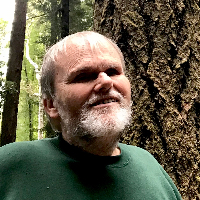
Leonard Burns is a Licensed Marriage and Family Therapist (LMFT) with 35 years of clinical experience. He helps people facing anxiety, depression, trauma, relationship strain, and low self esteem. His work also includes support for grief, addiction, caregiving stress, and challenges tied to identity and life changes.
He believes change starts with an honest, working relationship. Sessions focus on clear goals and steady steps toward them. Leonard mixes practical skills training with time to process difficult feelings and life events.
His background draws on family systems work, psychodynamic ideas, and EMDR experience. That mix informs how he looks at patterns in relationships and reactions to past hurts. He aims to help people make sense of painful memories and how those memories show up now.
In session he uses approaches such as Acceptance and Commitment Therapy, Cognitive Behavioral Therapy, Attachment-Based Therapy, Client-Centered Therapy, and Existential Therapy. These methods provide both concrete tools and space to explore meaning and values.
Clients can expect straightforward talk, active listening, and practical exercises to try between sessions. Leonard describes therapy as a team effort where commitment and honesty matter. He draws on decades of work helping people find steadier ground amid life’s changes.
How Leonard’s approaches translate to online work
Acceptance and Commitment Therapy (ACT) helps people notice difficult thoughts without getting stuck in them and then take action based on what matters most. It is useful for anxiety, low self esteem, and adjusting to life changes. Cognitive Behavioral Therapy (CBT) focuses on identifying unhelpful thinking and practicing new behaviors to reduce symptoms like anxiety and sleeplessness. It offers concrete skills to try between sessions. Attachment-Based Therapy looks at how early relationship patterns affect present connections and trust, and it can help with intimacy issues and relationship strain.
Finding the right approach is part of the work. The therapist will collaborate with each person to decide which methods fit their needs, goals, and preferences. That choice can shift over time as goals change and progress is made.
Session formats are not specified in the biography, so confirm current options before booking. Online work can make it easier to fit therapy into a busy life, shorten travel time, and allow check-ins during breaks or from different locations. It can also let people practice skills in the settings where they live and work. Licensed professionals and therapists often adapt exercises so they transfer to everyday routines and responsibilities.
AbandonmentAging and geriatric issuesAttachment issuesAvoidant personalityBlended family issuesCancerCaregiver issues and stressChronic pain, illness, and disabilityCodependencyCommitment issuesCommunication problemsControl issuesCoping with natural or human-caused disasterDependent personalityDissociationDivorce and separationDomestic violenceFamily of origin issuesFamily problemsGuilt and shameHospice and end-of-life counselingInfidelityIntellectual disabilityIsolation / lonelinessJealousyLife purposeMen's issuesMidlife crisisPersonality disordersPost-traumatic stressPrejudice and discriminationSelf-loveSocial anxiety and phobiaTraumatic brain injuryVisually impairedWorkplace issuesYoung adult issues
Therapeutic approaches
Acceptance and Commitment Therapy (ACT)Attachment-Based TherapyClient-Centered TherapyCognitive Behavioral Therapy (CBT)Existential TherapyEye Movement Desensitization and Reprocessing (EMDR)Jungian TherapyMindfulness TherapyMotivational InterviewingNarrative TherapyPsychodynamic TherapySolution-Focused TherapySomatic TherapyTrauma-Focused Therapy
Experience
35+ years
Credentials
California
Languages
English
Frequently asked questions
What concerns does he help with?
He supports people dealing with anxiety, depression, trauma, grief, relationship strain, addiction, self esteem, and related issues such as caregiving stress and chronic illness.
How would he describe his therapy style?
His style is direct and collaborative with an emphasis on building an honest relationship. Sessions combine listening with goal-focused work and practical exercises.
What is his clinical background?
He has 35 years of experience and a background that includes family systems work, psychodynamic approaches, and EMDR-informed practice.
What credentials and location are listed?
He is a Licensed Marriage and Family Therapist (LMFT) licensed in California.
Which languages are supported?
Sessions are offered in English.
Can people outside the U.S. work with him?
He is not accepting international clients at this time.
How are costs handled?
Cost varies with location and therapist availability; sessions use a subscription that can be canceled at any time.
How do I begin working with him?
Select the continue button on this profile, complete a short matching questionnaire, and schedule according to therapist availability.