- Attachment-informed
- Practical CBT skills
- Trauma-aware tools
About Lee
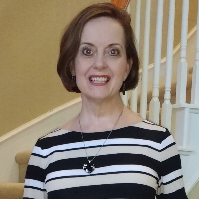
Lee Anne Smith is a Licensed Professional Counselor (LPC) with 15 years of experience. She focuses on helping people manage stress, anxiety, depression, ADHD, addictions, grief, and self esteem concerns. Her style is warm and interactive and she aims to make sessions practical and understandable for busy people.
Lee Anne blends several approaches to match each person's needs. She uses attachment-based ideas to look at how past relationships shape current patterns. She also draws on cognitive behavioral techniques to identify unhelpful thoughts and try small, concrete behavior changes.
EMDR is one of the tools she sometimes brings into work with trauma and abuse histories. She also uses client-centered methods to make space for each person's priorities and pace. Treatment plans are tailored rather than one-size-fits-all, and sessions focus on skills people can use between meetings.
Clients can expect direct, respectful conversations and flexible thinking about what will help. Lee Anne pays attention to patterns like codependency, abandonment, and family of origin issues alongside symptoms such as mood swings or dissociation. She also supports people navigating sexual identity, intimacy concerns, body image, chronic illness, and work stress.
Lee Anne maintains licenses in Colorado and Texas and practices from Colorado. Sessions are conducted in English. To begin, prospective clients follow the site's intake steps to match and schedule with her.
Lee Anne blends several approaches to match each person's needs. She uses attachment-based ideas to look at how past relationships shape current patterns. She also draws on cognitive behavioral techniques to identify unhelpful thoughts and try small, concrete behavior changes.
EMDR is one of the tools she sometimes brings into work with trauma and abuse histories. She also uses client-centered methods to make space for each person's priorities and pace. Treatment plans are tailored rather than one-size-fits-all, and sessions focus on skills people can use between meetings.
Clients can expect direct, respectful conversations and flexible thinking about what will help. Lee Anne pays attention to patterns like codependency, abandonment, and family of origin issues alongside symptoms such as mood swings or dissociation. She also supports people navigating sexual identity, intimacy concerns, body image, chronic illness, and work stress.
Lee Anne maintains licenses in Colorado and Texas and practices from Colorado. Sessions are conducted in English. To begin, prospective clients follow the site's intake steps to match and schedule with her.