- Compassionate listener
- Practical coping tools
- Values-based care
About Laura
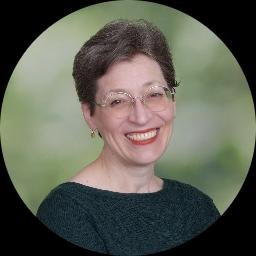
Laura Bollin is a Licensed Clinical Social Worker who helps people facing low self esteem, anxiety, depression, grief, and life changes. She brings a calm, listening approach and offers straightforward tools people can try between sessions. Her style combines practical skills with encouragement and respect for each person's values.
She focuses on coping with stress, relationship struggles, workplace issues, and compassion fatigue. People also come to her for support around career decisions, bereavement, and questions of life purpose. Her background includes hospice, hospital, and counseling settings which shaped how she talks about end-of-life care and grief.
Laura uses Cognitive Behavioral Therapy to help people notice unhelpful thinking and try small, testable changes. She also uses Motivational Interviewing to support people who want to make a change but feel stuck. She may model skills during a session and give simple homework to practice between meetings.
Laura earned a Master of Social Work from Boise State University and holds the LCSW and LICSW credentials. She frames therapy around faith when clients want that included, and she identifies as an ally to LGBT people.
Outside of work she is a spouse, outdoors person, animal lover, and reader. Prospective clients are encouraged to consider whether her plainspoken, values-aware approach fits their needs before starting therapy.
She focuses on coping with stress, relationship struggles, workplace issues, and compassion fatigue. People also come to her for support around career decisions, bereavement, and questions of life purpose. Her background includes hospice, hospital, and counseling settings which shaped how she talks about end-of-life care and grief.
Laura uses Cognitive Behavioral Therapy to help people notice unhelpful thinking and try small, testable changes. She also uses Motivational Interviewing to support people who want to make a change but feel stuck. She may model skills during a session and give simple homework to practice between meetings.
Laura earned a Master of Social Work from Boise State University and holds the LCSW and LICSW credentials. She frames therapy around faith when clients want that included, and she identifies as an ally to LGBT people.
Outside of work she is a spouse, outdoors person, animal lover, and reader. Prospective clients are encouraged to consider whether her plainspoken, values-aware approach fits their needs before starting therapy.