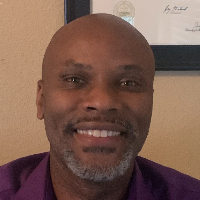
- 25 years experience
- LMFT in California
- Focus on relationships
About Lance
Dr. Lance Smith is a licensed marital and family therapist with 25 years of experience. He works with people facing stress, anxiety, depression, relationship and family conflict, grief, addictions, trauma, and self esteem struggles. He aims to make people feel respected and heard so they can speak honestly about what brought them to therapy.
He uses clear, practical conversation to identify what matters most to each person. Sessions focus on real problems and small, doable changes rather than long lectures or jargon. He listens for patterns in relationships and thought habits that keep problems going, then helps people try different responses.
Dr. Smith draws on several approaches to match the needs of the person sitting across from him. That can include attention to attachment and relationship patterns, client-centered listening, cognitive behavioral techniques to change thinking and behavior, and solution-focused steps to move forward. He also uses ideas from the Gottman Method when couples want concrete communication skills.
Over his career he has supported people coping with ADHD, panic and post-traumatic stress, parenting strain, caregiver stress, and end-of-life concerns. He also addresses issues like abandonment, attachment wounds, multicultural concerns, and shame or guilt. His goal is to help people build more self-love and stronger connections with others.
Dr. Smith practices in California and holds the Licensed Marriage and Family Therapist credential. He speaks English and works collaboratively to set goals and plans that fit each person’s life.
He uses clear, practical conversation to identify what matters most to each person. Sessions focus on real problems and small, doable changes rather than long lectures or jargon. He listens for patterns in relationships and thought habits that keep problems going, then helps people try different responses.
Dr. Smith draws on several approaches to match the needs of the person sitting across from him. That can include attention to attachment and relationship patterns, client-centered listening, cognitive behavioral techniques to change thinking and behavior, and solution-focused steps to move forward. He also uses ideas from the Gottman Method when couples want concrete communication skills.
Over his career he has supported people coping with ADHD, panic and post-traumatic stress, parenting strain, caregiver stress, and end-of-life concerns. He also addresses issues like abandonment, attachment wounds, multicultural concerns, and shame or guilt. His goal is to help people build more self-love and stronger connections with others.
Dr. Smith practices in California and holds the Licensed Marriage and Family Therapist credential. He speaks English and works collaboratively to set goals and plans that fit each person’s life.