- CBT and client-centered
- Short-term goal focus
- Supports self esteem
About Linda
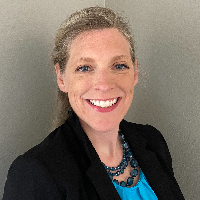
Linda "Kathleen" Brown is a Licensed Clinical Social Worker (LCSW) with 26 years of experience helping people manage stress, anxiety, depression, grief, trauma, and self-esteem concerns. She encourages the first step toward change and validates how hard that step can feel. Kathleen frames therapy as an investment in emotional health and self-care that can improve daily life.
Kathleen draws on straightforward, practical methods in sessions. She uses Cognitive Behavioral Therapy (CBT) to identify unhelpful thinking and develop new habits. She brings Client-Centered Therapy to build a trusting space where a person’s goals guide the work. Solution-Focused Therapy helps set short-term, achievable steps when people want clear direction.
Her background includes work in independent practice, inpatient hospitalization, residential treatment, and telephone crisis care. Kathleen has provided individual and group therapy and supervised trainees preparing for state licensure. She has supported people through mood disorders, panic, OCD-related concerns, and issues tied to adoption and foster care.
Sessions focus on concrete goals such as reducing panic attacks, improving coping during life changes, managing mood swings, and strengthening self-esteem. Kathleen emphasizes skills people can use between sessions, like coping strategies and behavior changes that fit everyday life.
She is licensed as an LCSW in Missouri and Arizona and works in Missouri. Sessions are offered in English. To begin, readers should follow the site’s Start Therapy flow and complete the brief matching questionnaire before scheduling.
Kathleen draws on straightforward, practical methods in sessions. She uses Cognitive Behavioral Therapy (CBT) to identify unhelpful thinking and develop new habits. She brings Client-Centered Therapy to build a trusting space where a person’s goals guide the work. Solution-Focused Therapy helps set short-term, achievable steps when people want clear direction.
Her background includes work in independent practice, inpatient hospitalization, residential treatment, and telephone crisis care. Kathleen has provided individual and group therapy and supervised trainees preparing for state licensure. She has supported people through mood disorders, panic, OCD-related concerns, and issues tied to adoption and foster care.
Sessions focus on concrete goals such as reducing panic attacks, improving coping during life changes, managing mood swings, and strengthening self-esteem. Kathleen emphasizes skills people can use between sessions, like coping strategies and behavior changes that fit everyday life.
She is licensed as an LCSW in Missouri and Arizona and works in Missouri. Sessions are offered in English. To begin, readers should follow the site’s Start Therapy flow and complete the brief matching questionnaire before scheduling.