- Focus on relationships
- Trauma-informed care
- Practical emotion skills
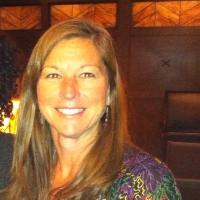
About Kristen
Kristen Hale is a Licensed Clinical Social Worker (LCSW) with 18 years of experience. She helps people who are dealing with worry, low self-worth, depression, trauma, and life changes. Kristen speaks plainly and focuses on building a trusting relationship so clients can be honest and work toward change.
Her approach centers on forming a stable working relationship first. From there she combines practical skills with deeper processing to help people interrupt unhelpful patterns. She uses tools that target thoughts, behavior, emotional regulation, and trauma memory to help people feel more steady day to day.
Kristen draws on several well-known methods including cognitive behavioral techniques, dialectical behavior strategies, and EMDR for trauma work. She also incorporates attachment-based thinking and a client-centered stance to tailor care to each person’s needs. Sessions often involve practicing new ways of communicating and managing strong emotions.
Her background includes treating a wide range of concerns such as anxiety, mood disorders, addiction, self-harm, panic, grief, and problems tied to attachment or abandonment. Kristen also addresses parenting stress, blended family issues, and relationship difficulties using hands-on tools and clear explanations.
Kristen is licensed as an LCSW in Hawaii and brings many years of clinical experience to each session. She offers therapy in English and accepts international clients; prospective clients are asked to confirm current session options before booking.
Her approach centers on forming a stable working relationship first. From there she combines practical skills with deeper processing to help people interrupt unhelpful patterns. She uses tools that target thoughts, behavior, emotional regulation, and trauma memory to help people feel more steady day to day.
Kristen draws on several well-known methods including cognitive behavioral techniques, dialectical behavior strategies, and EMDR for trauma work. She also incorporates attachment-based thinking and a client-centered stance to tailor care to each person’s needs. Sessions often involve practicing new ways of communicating and managing strong emotions.
Her background includes treating a wide range of concerns such as anxiety, mood disorders, addiction, self-harm, panic, grief, and problems tied to attachment or abandonment. Kristen also addresses parenting stress, blended family issues, and relationship difficulties using hands-on tools and clear explanations.
Kristen is licensed as an LCSW in Hawaii and brings many years of clinical experience to each session. She offers therapy in English and accepts international clients; prospective clients are asked to confirm current session options before booking.