- Warm practical support
- Trauma informed care
- Client centered approach
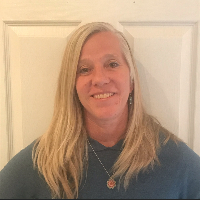
About Kelly
Kelly Goodman is a licensed clinical social worker with 17 years as an LCSW and three decades in social work overall. She focuses on helping people who feel stuck by low self-esteem, anxiety, depression, grief, and life transitions. Her approach is warm and straightforward, aimed at practical support and real changes people can use day to day.
She draws on long experience in community mental health and public health settings. That work included housing-first programs, intensive case management, and teaching peer counseling. Those roles taught her how basic needs like shelter and benefits affect a person’s ability to heal and grow.
Kelly also has experience in emergency and hospital settings. She currently works part time in an emergency department, doing mental health and suicide risk assessments, and serves on-call in an adolescent psychiatric unit. Those roles sharpened her skills in crisis assessment and short-term stabilization.
Her way of working combines attachment-based ideas with client-centered conversation, cognitive behavioral tools, mindfulness practices, and motivational interviewing. Sessions tend to focus on understanding how past wounds affect present choices and on building small, doable skills for better self-respect and daily coping.
Kelly’s life experience - family diversity, loss, adoption, caregiving, and advocacy - shapes a compassionate outlook. She invites people to talk about how trauma, identity, and life stress affect self-worth, and to try practical steps toward feeling more capable and connected.
She draws on long experience in community mental health and public health settings. That work included housing-first programs, intensive case management, and teaching peer counseling. Those roles taught her how basic needs like shelter and benefits affect a person’s ability to heal and grow.
Kelly also has experience in emergency and hospital settings. She currently works part time in an emergency department, doing mental health and suicide risk assessments, and serves on-call in an adolescent psychiatric unit. Those roles sharpened her skills in crisis assessment and short-term stabilization.
Her way of working combines attachment-based ideas with client-centered conversation, cognitive behavioral tools, mindfulness practices, and motivational interviewing. Sessions tend to focus on understanding how past wounds affect present choices and on building small, doable skills for better self-respect and daily coping.
Kelly’s life experience - family diversity, loss, adoption, caregiving, and advocacy - shapes a compassionate outlook. She invites people to talk about how trauma, identity, and life stress affect self-worth, and to try practical steps toward feeling more capable and connected.