- Client-centered care
- Strengths-based focus
- Goal oriented work
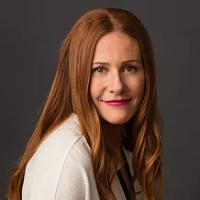
About Karen
Karen Graber is a Licensed Marriage and Family Therapist (LMFT) based in California. She focuses on stress, anxiety, self esteem, relationships, parenting concerns, addictions, grief, and life changes. Karen aims to help people build coping skills and greater self-compassion so daily life feels more manageable.
She draws on 11 years of clinical experience in community and clinical settings. Her background includes work in addiction services and school-based counseling, where she supported adolescents and families through practical challenges. Karen combines what she learned in those roles with a master's degree in Marriage and Family Therapy to create a flexible approach.
Sessions are client-centered and strengths-based. She looks for the skills and resources a person already has, then helps expand them. Karen also uses psychodynamic ideas to notice recurring patterns that may come from earlier experiences and get in the way now.
She frequently uses solution-focused methods to set clear goals and small steps toward change. Mindfulness practices are blended in to help with anxiety, attention, and emotional regulation. When relevant, Karen may integrate trauma-focused techniques as part of a tailored plan.
Her style is straightforward and collaborative. People who feel stuck or overwhelmed can expect practical tools, gentle exploration of history, and support for building more satisfying day-to-day routines. The overall aim is clearer self-understanding and coping that lasts.
She draws on 11 years of clinical experience in community and clinical settings. Her background includes work in addiction services and school-based counseling, where she supported adolescents and families through practical challenges. Karen combines what she learned in those roles with a master's degree in Marriage and Family Therapy to create a flexible approach.
Sessions are client-centered and strengths-based. She looks for the skills and resources a person already has, then helps expand them. Karen also uses psychodynamic ideas to notice recurring patterns that may come from earlier experiences and get in the way now.
She frequently uses solution-focused methods to set clear goals and small steps toward change. Mindfulness practices are blended in to help with anxiety, attention, and emotional regulation. When relevant, Karen may integrate trauma-focused techniques as part of a tailored plan.
Her style is straightforward and collaborative. People who feel stuck or overwhelmed can expect practical tools, gentle exploration of history, and support for building more satisfying day-to-day routines. The overall aim is clearer self-understanding and coping that lasts.