- Practical coping skills
- Warm listening
- English and Korean
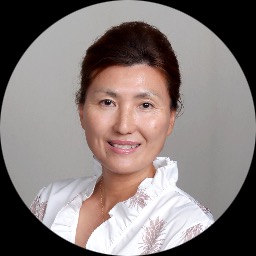
About Jookyoung
Jookyoung Jackie Faana is a licensed clinical social worker who helps people facing stress, anxiety, grief, depression, and self esteem concerns. She uses clear, practical conversation to help people make sense of hard feelings and find manageable next steps. Sessions are offered in English and Korean for people in Florida and for international clients.
Jackie brings 16 years of experience to each meeting. She focuses on creating an open, nonjudgmental space where people can talk about what matters most to them. The goal is to help people slow down, notice patterns, and try new ways of coping that fit their life.
Her work draws on several approaches including cognitive behavioral ideas, acceptance and commitment perspectives, attachment-focused thinking, client-centered listening, and skills from dialectical behavior therapy. She uses those tools to address mood problems, communication struggles, caregiver stress, and feelings of isolation or guilt.
People who come for help often want practical ways to manage symptoms and rebuild self-worth. Jackie helps people practice small changes that add up over time, such as shifting unhelpful thoughts, strengthening relationships, and improving daily routines. She also supports those adjusting to chronic illness or caregiving roles.
Taking the first step can feel hard. Jackie guides people through that beginning by asking about their goals, offering straightforward techniques, and working together to find what helps. To start, visitors complete a short matching questionnaire and then schedule a session according to the therapist's availability.
Jackie brings 16 years of experience to each meeting. She focuses on creating an open, nonjudgmental space where people can talk about what matters most to them. The goal is to help people slow down, notice patterns, and try new ways of coping that fit their life.
Her work draws on several approaches including cognitive behavioral ideas, acceptance and commitment perspectives, attachment-focused thinking, client-centered listening, and skills from dialectical behavior therapy. She uses those tools to address mood problems, communication struggles, caregiver stress, and feelings of isolation or guilt.
People who come for help often want practical ways to manage symptoms and rebuild self-worth. Jackie helps people practice small changes that add up over time, such as shifting unhelpful thoughts, strengthening relationships, and improving daily routines. She also supports those adjusting to chronic illness or caregiving roles.
Taking the first step can feel hard. Jackie guides people through that beginning by asking about their goals, offering straightforward techniques, and working together to find what helps. To start, visitors complete a short matching questionnaire and then schedule a session according to the therapist's availability.