- Person-centered approach
- Trauma-aware care
- Focus on self esteem
About Jonathan
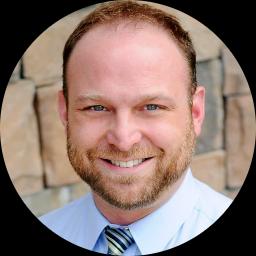
Jonathan Rasbach is a licensed professional counselor who helps people facing stress, anxiety, addiction, relationship struggles, trauma, and self-esteem concerns. He practices in Utah and uses a person-centered style to make conversations feel straightforward and real. He is identified by the credentials LPC and LCMHC and brings three years of clinical counseling experience to sessions.
Jonathan aims to create an open space where clients can talk about painful memories, shame, and confusing feelings without judgment. He draws on trauma-informed and attachment-aware ideas to help people understand how past relationships shape current reactions. Conversations focus on small, concrete steps that build confidence and choice in daily life.
He also addresses issues like abandonment, communication problems, guilt and shame, midlife questions, men’s concerns, sexuality, and panic attacks. For people working through substance misuse or compulsive sexual behavior, he combines practical strategies with attention to underlying emotions and beliefs. Sessions can include techniques from cognitive approaches to help change patterns of thought and behavior.
Jonathan often integrates spiritual concerns when clients want that perspective included in their care. He describes his style as authentic, direct, and collaborative, tailoring methods to what each person prefers. He encourages people to take modest steps forward and tracks progress in ways that feel meaningful.
To begin, prospective clients complete a short matching questionnaire and schedule sessions based on availability. He conducts work in English and does not accept international clients.
Jonathan aims to create an open space where clients can talk about painful memories, shame, and confusing feelings without judgment. He draws on trauma-informed and attachment-aware ideas to help people understand how past relationships shape current reactions. Conversations focus on small, concrete steps that build confidence and choice in daily life.
He also addresses issues like abandonment, communication problems, guilt and shame, midlife questions, men’s concerns, sexuality, and panic attacks. For people working through substance misuse or compulsive sexual behavior, he combines practical strategies with attention to underlying emotions and beliefs. Sessions can include techniques from cognitive approaches to help change patterns of thought and behavior.
Jonathan often integrates spiritual concerns when clients want that perspective included in their care. He describes his style as authentic, direct, and collaborative, tailoring methods to what each person prefers. He encourages people to take modest steps forward and tracks progress in ways that feel meaningful.
To begin, prospective clients complete a short matching questionnaire and schedule sessions based on availability. He conducts work in English and does not accept international clients.