- Person-centered approach
- Cognitive techniques
- Meaning-focused work
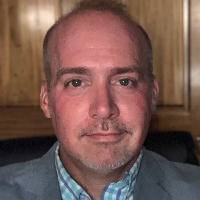
About Jason
Jason Wright is a licensed counselor with LPCC and LPC credentials and more than two decades of experience supporting adults. He focuses on practical work around stress, anxiety, depression, self esteem, addictions, grief, anger, career concerns, and coping with life changes. Jason takes a straightforward, warm approach and centers the conversation on each person’s needs.
He uses a person-centered style that emphasizes listening first. From that foundation he draws on cognitive behavioral ideas to help change unhelpful thoughts and behaviors. He also brings existential and mindfulness perspectives to help people find meaning and stay grounded in difficult moments.
Jason has worked with a wide range of adult issues including trauma, PTSD, obsessive-compulsive patterns, panic, phobias, and substance use concerns. He has written about work with psychogenic seizures and has decades of hands-on clinical experience. His practice focuses on individual psychotherapy for adults.
Sessions aim to be collaborative and goal-oriented. Jason builds a plan together with each person, using tools that fit their situation and pace. He emphasizes practical steps people can try between meetings to move toward clearer thinking and steadier emotions.
People who choose him can expect steady listening, straightforward feedback, and a mix of strategies tailored to personal goals. He encourages those ready to make changes and supports paced progress toward a better daily routine and stronger self regard.
He uses a person-centered style that emphasizes listening first. From that foundation he draws on cognitive behavioral ideas to help change unhelpful thoughts and behaviors. He also brings existential and mindfulness perspectives to help people find meaning and stay grounded in difficult moments.
Jason has worked with a wide range of adult issues including trauma, PTSD, obsessive-compulsive patterns, panic, phobias, and substance use concerns. He has written about work with psychogenic seizures and has decades of hands-on clinical experience. His practice focuses on individual psychotherapy for adults.
Sessions aim to be collaborative and goal-oriented. Jason builds a plan together with each person, using tools that fit their situation and pace. He emphasizes practical steps people can try between meetings to move toward clearer thinking and steadier emotions.
People who choose him can expect steady listening, straightforward feedback, and a mix of strategies tailored to personal goals. He encourages those ready to make changes and supports paced progress toward a better daily routine and stronger self regard.