- Person-centered
- Trauma-informed
- Recovery-informed
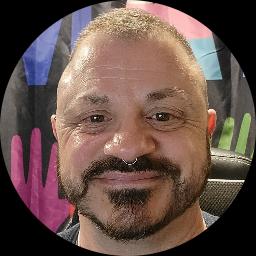
About Ian
Ian Schroeder, LPC, LMHC helps people dealing with stress, anxiety, addiction, low self-esteem, and depression. He also supports people facing trauma, questions about gender identity, and those in the LGBTQUIA2S+ community. He describes counseling as a partnership and focuses on where each person wants to go.
He uses a person-centered, trauma-informed stance that starts by recognizing each person’s strengths. Sessions are practical and goal-focused. Ian blends methods to match what a person needs rather than using a single fixed plan.
Ian draws on 15 years of clinical experience and on his own history in recovery from addiction. That background shapes how he connects with people who are struggling with substance use and related challenges. He aims to create a space where setbacks can be talked about without shame and small steps lead to larger change.
Common tools in his work include cognitive behavioral techniques, motivational interviewing, and EMDR for processing traumatic memories. He also uses mindfulness and solution-focused ideas to build coping skills and forward movement. Together with each client, he develops a plan that fits their goals and pace.
Ian practices in Oregon and works in English. He highlights collaboration, respect for identity, and flexible problem-solving as central to his approach.
He uses a person-centered, trauma-informed stance that starts by recognizing each person’s strengths. Sessions are practical and goal-focused. Ian blends methods to match what a person needs rather than using a single fixed plan.
Ian draws on 15 years of clinical experience and on his own history in recovery from addiction. That background shapes how he connects with people who are struggling with substance use and related challenges. He aims to create a space where setbacks can be talked about without shame and small steps lead to larger change.
Common tools in his work include cognitive behavioral techniques, motivational interviewing, and EMDR for processing traumatic memories. He also uses mindfulness and solution-focused ideas to build coping skills and forward movement. Together with each client, he develops a plan that fits their goals and pace.
Ian practices in Oregon and works in English. He highlights collaboration, respect for identity, and flexible problem-solving as central to his approach.