- Focus on strengths
- Skill building
- Values driven
About Eugene
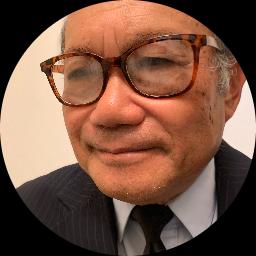
Eugene Yamamoto is a licensed clinical social worker (LCSW) based in California who helps people facing stress, anxiety, low self-esteem, depression, and life transitions. He encourages clients to recognize their own strengths and take practical steps toward clearer thinking and greater confidence. Eugene frames the first appointment as a small, courageous move and aims to make that step feel doable.
With three decades of experience in social work, Eugene combines grounded conversation with hands-on strategies. He listens for what matters most to each person and supports them in turning insights into day-to-day actions. Sessions focus on building coping skills, improving motivation, and addressing thought patterns that get in the way of feeling capable.
He draws on approaches such as Acceptance and Commitment Therapy, Cognitive Behavioral Therapy, and Client-Centered Therapy to tailor the work to each client. These methods are used to help people notice unhelpful patterns, practice new behaviors, and align actions with values. Eugene adapts his style to the pace a person prefers and the problems they bring.
Eugene also addresses related issues like attachment concerns, body image, caregiving stress, chronic health challenges, and communication difficulties. He supports people navigating adoption or foster care questions, aging and geriatric issues, and relationship commitment doubts. His work often mixes practical coaching with therapeutic reflection.
Sessions are conducted in English and he accepts international clients. He asks new clients to complete a brief matching questionnaire to get started and schedule according to availability.
With three decades of experience in social work, Eugene combines grounded conversation with hands-on strategies. He listens for what matters most to each person and supports them in turning insights into day-to-day actions. Sessions focus on building coping skills, improving motivation, and addressing thought patterns that get in the way of feeling capable.
He draws on approaches such as Acceptance and Commitment Therapy, Cognitive Behavioral Therapy, and Client-Centered Therapy to tailor the work to each client. These methods are used to help people notice unhelpful patterns, practice new behaviors, and align actions with values. Eugene adapts his style to the pace a person prefers and the problems they bring.
Eugene also addresses related issues like attachment concerns, body image, caregiving stress, chronic health challenges, and communication difficulties. He supports people navigating adoption or foster care questions, aging and geriatric issues, and relationship commitment doubts. His work often mixes practical coaching with therapeutic reflection.
Sessions are conducted in English and he accepts international clients. He asks new clients to complete a brief matching questionnaire to get started and schedule according to availability.