- Calm practical support
- Focus on self awareness
- Tools for everyday life
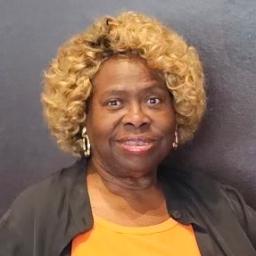
About Erma
Erma Wardley is a Licensed Clinical Social Worker (LCSW) in California with 22 years of clinical experience. She helps people who are struggling with stress, anxiety, trauma, low self esteem, depression, and major life changes. Her style is calm and straightforward, with a focus on building trust and practical steps forward.
She creates a warm space where clients can talk without feeling judged. Conversations aim to increase self-awareness and self-acceptance. The therapist supports people as they name what is most important and take manageable steps toward change.
Erma draws on several therapy approaches to match what each person needs. She uses client-centered methods to follow the client’s lead and build a collaborative relationship. Cognitive Behavioral Therapy (CBT) helps identify unhelpful thoughts and try new behaviors.
Dialectical Behavior Therapy (DBT) skills and mindfulness practices are used to manage strong emotions and stay grounded in the present. Psychodynamic ideas may be brought in to understand patterns that repeat over time. The goal is practical relief combined with clearer self-understanding.
Sessions focus on achievable tools and decisions that fit everyday life. The therapist emphasizes empowerment, forgiveness, and reducing shame and isolation. People who want to gain confidence, handle transitions, or rebuild after trauma will find a steady, experienced guide in her practice.
She creates a warm space where clients can talk without feeling judged. Conversations aim to increase self-awareness and self-acceptance. The therapist supports people as they name what is most important and take manageable steps toward change.
Erma draws on several therapy approaches to match what each person needs. She uses client-centered methods to follow the client’s lead and build a collaborative relationship. Cognitive Behavioral Therapy (CBT) helps identify unhelpful thoughts and try new behaviors.
Dialectical Behavior Therapy (DBT) skills and mindfulness practices are used to manage strong emotions and stay grounded in the present. Psychodynamic ideas may be brought in to understand patterns that repeat over time. The goal is practical relief combined with clearer self-understanding.
Sessions focus on achievable tools and decisions that fit everyday life. The therapist emphasizes empowerment, forgiveness, and reducing shame and isolation. People who want to gain confidence, handle transitions, or rebuild after trauma will find a steady, experienced guide in her practice.