- Anxiety relief
- Career clarity
- Practical steps
About Enrique
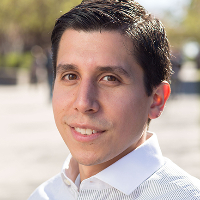
Enrique Villarreal is an LPC who focuses on helping people manage anxiety, stress, and low self-esteem. He combines career-minded coaching with talk therapy to help clients find more balance between work and personal life. Enrique draws on his own career change to guide people who feel stuck or burned out.
He brings ten years of counseling experience and a Masters of Education in Counseling from Colorado State University. Enrique often works with people navigating career shifts, identity questions, and the strain those bring to daily life. He blends techniques that look at thoughts, practical steps, and small achievable goals.
In sessions he uses Cognitive Behavioral Therapy, Solution-Focused Therapy, and Motivational Interviewing to help people change unhelpful thinking and take action. He also uses Narrative Therapy to help clients reframe their life story and find clearer direction. Sessions tend to focus on concrete strategies and personal meaning rather than abstract theory.
Enrique emphasizes learning from setbacks and building skills that reduce stress and increase confidence. He talks through career decisions, coping with change, and ways to manage anger, grief, or burnout. The goal is to create realistic steps that fit into daily life and work demands.
Clients can expect a collaborative, down-to-earth style that connects career goals with emotional health. Enrique works from Colorado and conducts sessions in English. To begin, prospective clients use the site Start Therapy flow to match and schedule a first appointment.
He brings ten years of counseling experience and a Masters of Education in Counseling from Colorado State University. Enrique often works with people navigating career shifts, identity questions, and the strain those bring to daily life. He blends techniques that look at thoughts, practical steps, and small achievable goals.
In sessions he uses Cognitive Behavioral Therapy, Solution-Focused Therapy, and Motivational Interviewing to help people change unhelpful thinking and take action. He also uses Narrative Therapy to help clients reframe their life story and find clearer direction. Sessions tend to focus on concrete strategies and personal meaning rather than abstract theory.
Enrique emphasizes learning from setbacks and building skills that reduce stress and increase confidence. He talks through career decisions, coping with change, and ways to manage anger, grief, or burnout. The goal is to create realistic steps that fit into daily life and work demands.
Clients can expect a collaborative, down-to-earth style that connects career goals with emotional health. Enrique works from Colorado and conducts sessions in English. To begin, prospective clients use the site Start Therapy flow to match and schedule a first appointment.