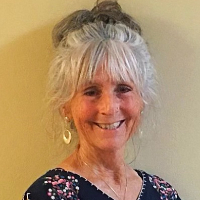
Elizabeth Chavez is an LPCC with 20 years in the mental health field. She has worked in intensive psychiatric hospitals, correctional settings, substance treatment centers, and community counseling programs. Elizabeth writes plainly and listens closely to learn what a person needs right now.
Her work focuses on helping people feel better in the short term and build skills for longer-term stability. She treats stress, anxiety, depression, addictions, trauma and grief, and concerns around self-esteem and relationships. Elizabeth also supports people managing life transitions, bipolar symptoms, ADHD, compassion fatigue, and intimacy-related or body-image issues.
Elizabeth uses a person-centered style. Sessions are conversational and shaped by each person's goals, strengths, and limits. She will ask about what matters to the client, then suggest tools and strategies that fit their life.
Her toolbox includes cognitive behavioral techniques, dialectical behavior ideas, mindfulness practices, and existential reflections. Motivational interviewing and other supportive methods are also part of her work when they suit the client's needs.
Across settings she aims to leave people with clearer choices and practical skills. She emphasizes small, manageable steps toward feeling more steady, engaged, and able to handle everyday demands.
Approaches that guide online care
Elizabeth commonly draws on cognitive behavioral therapy and mindfulness work. Cognitive behavioral therapy (CBT) focuses on identifying unhelpful thinking and testing practical behavior changes to reduce anxiety, manage mood, or address addictive patterns. Mindfulness methods teach simple attention and breathing practices to reduce reactivity and improve sleep or stress management.
She also uses dialectical behavior therapy (DBT) skills at times to help with emotional regulation and strong reactions. DBT offers short, teachable skills for handling intense feelings, improving communication, and tolerating distress without making things worse.
Finding the right approach is collaborative. The therapist will talk with each person about goals, daily life, and what has or hasn't helped before. Together they decide which methods to try and adjust the plan as progress is made.
If you are considering online therapy, confirm the specific session options before booking. Online work can make it easier to fit sessions into a busy week, shorten travel time, and allow quick check-ins when needed. It can also let people use audio-only or lower-bandwidth options when that better matches their routine or comfort. Licensed professionals can help shape sessions to match your schedule and needs.
She works with stress, anxiety, depression, addictions, trauma and grief, self-esteem concerns, relationship and intimacy issues, and related problems such as eating or sleeping struggles and ADHD.
How would you describe her therapeutic style?
The approach is person-centered and conversational. She listens first, then offers tools from CBT, DBT, mindfulness, and other approaches that fit the person's goals.
What background does she bring to sessions?
She has 20 years of experience working in intensive psychiatric hospitals, correctional settings, substance treatment centers, and community counseling programs.
Where is Elizabeth licensed and practicing?
She is a licensed professional clinical counselor - LPCC - in New Mexico and practices there.
Which languages are supported for sessions?
Sessions are offered in English.
Can people from other countries schedule with her?
She does not accept international clients at this time.
How are fees and billing handled?
Cost varies with location and therapist availability; sessions use a subscription model that can be canceled at any time.
What steps do I take to begin sessions?
Select the continue button on this profile, complete a short matching questionnaire, and then schedule according to therapist availability.