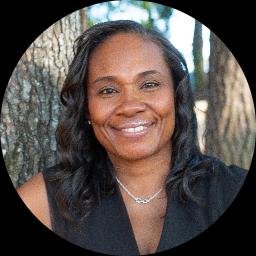
Desireah Riley is a licensed professional counselor and licensed mental health counselor who focuses on practical, person-centered care. She helps people facing relationship struggles, addictions, grief, and self-esteem concerns. Desireah aims to create a calm, respectful space so clients can talk through painful experiences and begin to heal.
She uses a mix of approaches that match each person's needs. That can mean using client-centered conversations to build trust, practical Cognitive Behavioral Therapy (CBT) skills for shifting unhelpful thoughts, or Dialectical Behavior Therapy (DBT) techniques for managing intense emotions. She also draws on Solution-Focused tools and the Gottman Method around relationship patterns.
Desireah brings four years of clinical experience in Texas to her work. She pays attention to how culture and gender shape people’s struggles and strengths. Expect short-term skill building alongside deeper exploration when needed.
Typical sessions focus on clear, achievable goals like improving communication, reducing substance use, coping with loss, or rebuilding self-esteem. The tone is supportive and straightforward, with practical steps to try between visits.
To begin, clients complete a short matching questionnaire and schedule sessions based on availability. Desireah works in English and holds TX LPC and WA LMHC credentials.
Approaches that guide online work and practical benefits
Client-Centered Therapy focuses on listening and building trust so clients feel heard and understood; it helps when people need a steady, accepting space to talk through relationship or self-esteem concerns. Cognitive Behavioral Therapy, or CBT, looks at the link between thoughts, feelings, and actions and gives straightforward tools to change unhelpful thinking patterns and behaviors. Dialectical Behavior Therapy, DBT, offers skills for regulating strong emotions and improving distress tolerance, which can be useful for people coping with addiction, intense mood swings, or high stress.
Choosing the right approach is a collaborative process. The therapist will work with each person to identify goals and try methods that match those goals. Early sessions usually focus on practical steps and deciding which tools to keep using going forward.
The biography does not list specific session formats, so confirm available options before booking. Online work can make it easier to fit therapy into daily life by reducing travel time, allowing shorter check-ins when schedules are tight, and letting people use techniques in their real-world settings. Licensed professionals can tailor session pacing, homework, and skills practice to match what fits a client's routine and needs.
She works with people dealing with addictions, relationship strains, family problems, grief, and self-esteem issues, plus related concerns like body image and caregiver stress.
How would you describe her therapy style?
Her style is client-centered and practical, combining supportive conversation with skills-based methods such as CBT and DBT to help people manage thoughts and emotions.
What background and experience does she have?
She has four years of clinical experience and focuses on integrating cultural and gender-aware perspectives into her work.
What credentials and location apply to her practice?
She holds LPC and LMHC credentials and practices in Texas while maintaining licensing ties reflected by TX LPC and WA LMHC.
Which languages are supported and are international clients accepted?
Sessions are offered in English and international clients are not currently accepted.
What session formats are offered?
The original biography does not specify session formats; please confirm current session options before booking.
How does billing and cost work?
Cost varies with location and therapist availability, and sessions use a subscription that can be canceled at any time.
How do I get started with therapy?
Select the continue button on this profile, complete the short matching questionnaire, and schedule sessions according to the therapist's availability.