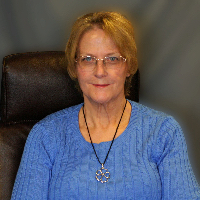
Carol Gross is an LCSW with 25 years of experience helping people manage stress, anxiety, depression, and self esteem concerns. She works in Utah and brings a practical, down-to-earth style to sessions. Carol speaks English and tends to use clear, simple language so conversations stay focused and useful.
Her work draws heavily on Acceptance and Commitment Therapy, along with cognitive behavioral and mindfulness-based ideas. She helps people notice what matters to them and take small steps toward those values. Sessions often include learning coping skills, practicing mindfulness, and sorting priorities to make daily life easier.
Carol has long worked with mood disorders, addiction, grief, trauma and anger, as well as issues like ADHD, relationship struggles, and sleep or eating problems. She describes therapy as a collaboration where clients identify goals and build practical strategies. The focus is on behavior changes that match each person’s values and real life.
She uses straightforward tools such as the ACT Matrix to help organize thoughts and actions. Carol aims to increase what she calls psychological flexibility - the ability to respond differently to hard feelings and stress. Her approach emphasizes noticing discomfort, choosing action, and learning skills that fit into everyday routines.
People who seek help for career transitions, caregiver stress, body image concerns, or coping after loss may find her approach relevant. She invites prospective clients to describe their goals so together they can form a plan and decide next steps.
How therapy approaches shape online care
Acceptance and Commitment Therapy (ACT) focuses on noticing thoughts and feelings without getting stuck in them, then choosing actions that match core values. It is often used for anxiety, depression, self esteem, and coping with life changes. Cognitive Behavioral Therapy (CBT) looks at how thoughts, feelings, and behaviors interact and teaches practical skills to change patterns that cause distress. It is commonly used for mood and anxiety concerns as well as sleep and eating issues. Mindfulness Therapy teaches moment-to-moment awareness and simple attention skills to reduce reactivity and improve focus, which can help with stress, anger, and concentration concerns.
Choosing the right approach is part of the work. The therapist will collaborate with each person to identify goals, try methods, and adjust what’s most helpful. That means sessions can shift over time to match evolving needs and preferences, and the clinician will explain options in plain language so clients can weigh them.
Confirm the exact session formats before booking to know what is offered. Online therapy can make it easier to fit sessions into a busy schedule because it removes travel time and can allow shorter check-ins when needed. It can also let people use tools like guided mindfulness exercises and worksheets between meetings to practice skills learned in sessions. Licensed professionals tailor pacing and tasks so therapeutic work fits into everyday life.
Areas of expertise
Primary focus
Stress, AnxietyFamily conflictsTrauma and abuseAnger managementBipolar disorder
AbandonmentAging and geriatric issuesAttachment issuesAutism and Asperger SyndromeAvoidant personalityBlended family issuesBody imageCaregiver issues and stressChronic pain, illness, and disabilityCo-morbidityCodependencyCommitment issuesCommunication problemsControl issuesCoping with natural or human-caused disasterDependent personalityDisruptive Mood Dysregulation Disorder (DMDD)Divorce and separationDomestic violenceDrug and alcohol addictionEating and food-related issuesEmptinessFamily of origin issuesFamily problemsFatherhood issuesFertility issuesFirst responder issuesForgivenessGuilt and shameHospice and end-of-life counselingImpulsivityInfidelityIntellectual disabilityIsolation / lonelinessJealousyLife purposeMidlife crisisMood disordersNarcissismObsessions, compulsions, and OCDPanic disorder and panic attacksPersonality disordersPhobiasPostpartum depressionPost-traumatic stressPregnancy and childbirthProcess addiction (porn, exercise, gambling)Seasonal Affective Disorder (SAD)Self-loveSocial anxiety and phobiaTraumatic brain injuryWomen's issuesWorkplace issuesYoung adult issues
Therapeutic approaches
Acceptance and Commitment Therapy (ACT)Client-Centered TherapyCognitive Behavioral Therapy (CBT)Dialectical Behavior Therapy (DBT)Mindfulness TherapyMotivational InterviewingSolution-Focused TherapyTrauma-Focused TherapyInternal Family Systems
Experience
25+ years
Credentials
Utah
Languages
English
Frequently asked questions
What kinds of problems does she help with?
She works with a wide range of concerns including anxiety, depression, trauma, addiction, grief, self esteem, sleep and eating issues, and stress related to caregiving or career changes.
What is her therapy style like?
Her style is collaborative and practical. Sessions focus on noticing difficult feelings, learning coping skills, and taking small steps that match a person’s values.
How much clinical experience does she have?
She has 25 years of experience working with mood disorders, trauma, addictions, ADHD, and related issues across many settings.
What credentials and region are associated with this therapist?
She holds an LCSW and practices in Utah.
Are sessions offered in other languages or to people outside the country?
Sessions are offered in English. International clients are not currently accepted.
Which session formats are available?
Please confirm current session options before booking so you know which formats are supported for scheduling and care.
How is cost handled for sessions?
Cost varies with location and therapist availability; sessions use a subscription that can be canceled at any time.
How do I begin the process of working together?
Select the continue button on this profile, complete a short matching questionnaire, and schedule according to therapist availability.