- Warm collaborative style
- Focus on self esteem
- Practical skill building
About Benjamin
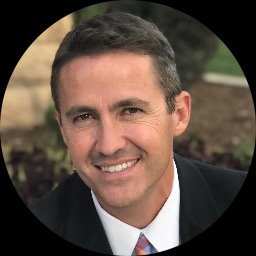
Benjamin Nielson is a Licensed Clinical Social Worker (LCSW) based in Utah. He has six years of clinical practice and a broader background working in community and medical settings. Benjamin focuses on everyday concerns like anxiety, depression, stress, and self esteem in clear, down-to-earth terms.
He often uses practical tools from cognitive behavioral approaches and mindfulness to help people notice unhelpful thoughts and try different behaviors. Attachment-based and emotionally-focused ideas shape how he looks at close relationships and patterns that leave people feeling stuck. Motivational interviewing helps when someone is ready to make a change but feels unsure where to begin.
Benjamin’s early work included program development for at-risk youth on the Navajo Nation, where he led experiential activities such as camps and equine sessions. That period influenced his attention to cultural sensitivity and trauma-informed care. He later worked in hospitals and hospice settings, connecting people with resources and providing crisis support.
His approach is flexible and practical. He adjusts strategies to what a person needs in the moment, whether that means short-term coping skills or longer exploration of relationship patterns. Benjamin emphasizes warmth, respect, and straightforward collaboration during sessions.
He encourages people to take steps toward change at a pace that feels manageable. If someone is dealing with grief, addiction, chronic illness, caregiving strain, or sudden life transitions, he aims to offer steady support and tools to manage those challenges.
He often uses practical tools from cognitive behavioral approaches and mindfulness to help people notice unhelpful thoughts and try different behaviors. Attachment-based and emotionally-focused ideas shape how he looks at close relationships and patterns that leave people feeling stuck. Motivational interviewing helps when someone is ready to make a change but feels unsure where to begin.
Benjamin’s early work included program development for at-risk youth on the Navajo Nation, where he led experiential activities such as camps and equine sessions. That period influenced his attention to cultural sensitivity and trauma-informed care. He later worked in hospitals and hospice settings, connecting people with resources and providing crisis support.
His approach is flexible and practical. He adjusts strategies to what a person needs in the moment, whether that means short-term coping skills or longer exploration of relationship patterns. Benjamin emphasizes warmth, respect, and straightforward collaboration during sessions.
He encourages people to take steps toward change at a pace that feels manageable. If someone is dealing with grief, addiction, chronic illness, caregiving strain, or sudden life transitions, he aims to offer steady support and tools to manage those challenges.